

Roxithromycin Test Kit
For drug residual in raw honey testing
What Is Roxithromycin?
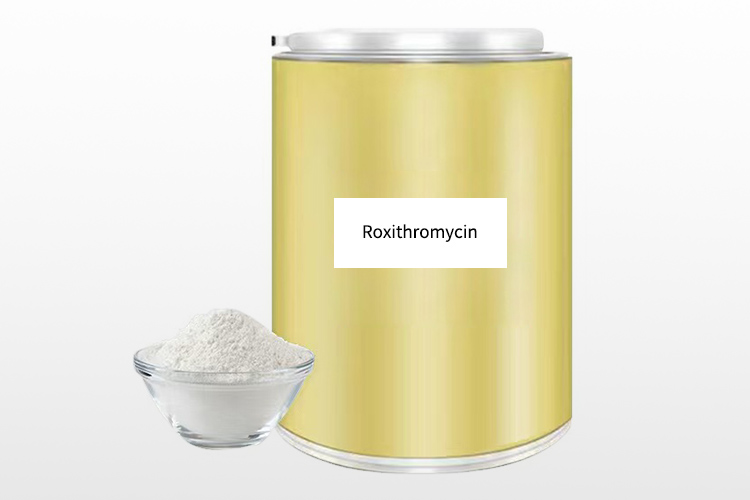
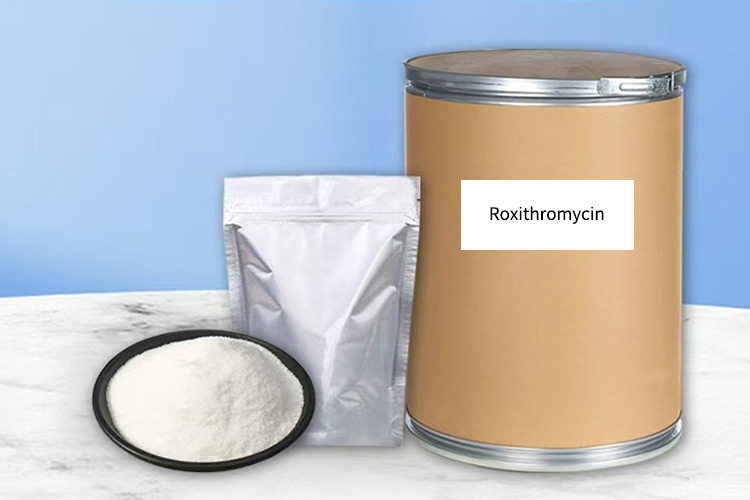
Roxithromycin is a macrolide antibiotic and belongs to the semi-synthetic derivative of erythromycin. As the second-generation product of macrolide antibiotic, it is synthesized from erythromycin as the raw material, inheriting the antibacterial mechanism and enhancing its antibacterial effect. Chemically, roxithromycin is a white or off-white crystalline powder, almost insoluble in water but soluble in organic solvents such as ethanol, acetone and chloroform. Roxithromycin is stable at room temperature and is not easily decomposed by air or light. Its stability is superior to that of erythromycin, making it safer and more reliable during storage and transportation. The antibacterial principle of roxithromycin is similar to that of erythromycin, mainly exerting its effect by inhibiting the synthesis of bacterial proteins and blocking the generation of proteins required by bacteria and inhibiting their growth and reproduction. At present, roxithromycin has been included in the pharmacopoeias of many countries as a standardized antibiotic raw material. Its high purity, high stability and clear chemical characteristics make it of great significance in the research and development of antibacterial preparations and the field of analysis and detection.
Overall, roxithromycin is a high-performance and structurally improved macrolide antibiotic. It represents an important stage in the development of erythromycin. Also, roxithromycin has high scientific value and application significance both in pharmacological research and in the exploration of antibacterial mechanism.
Characteristics of Roxithromycin
Roxithromycin is a commonly used antibiotic. Its main function is to inhibit bacterial growth and control the spread of infection. It is a macrolide antibiotic which is an improved product obtained by altering the structure of erythromycin. It has a higher stability and a more stable antibacterial effect. Here are the characteristics of roxithromycin:

Bacterial growth inhibition
Roxithromycin blocks the synthesis of bacterial proteins, preventing bacteria from multiplying and spreading.

Wide-range antibacterial effect
Roxithromycin is effective against a wide range of bacteria. Therefore, it can be commonly used in epidemic prevention and agricultural production.

High stability
Roxithromycin remains active under heat, light, and acidic conditions, making it less likely to lose effectiveness.

Long environmental persistence
Once roxithromycin enters the soil or food system, it may exist for a long time. Therefore, it can have potential impacts on food safety and body health.
The Relationship Between Roxithromycin and Honey
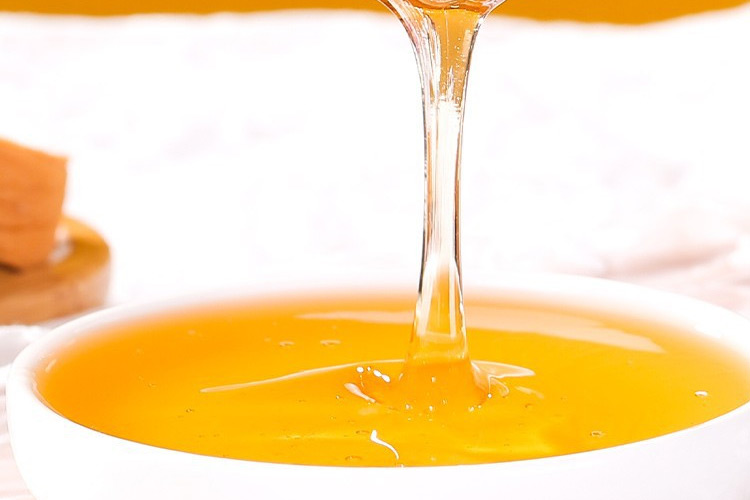
Honey, as a natural sweetener, is made by bees through mixing the nectar, secretion or honeydew of plants with their own secretions and then fully brewing them. It has high edible, medicinal and health care value. Because of its good taste and convenient consumption, it is very popular among people. However, with the development of modern agriculture and the advancement of beekeeping techniques, the issue of veterinary drug residues in honey has gradually drawn people’s attention. The sources of these residues are often closely related to the beekeeping environment and human intervention during the beekeeping process. Roxithromycin is a macrolide antibiotic originally used for the treatment of bacterial infections in animal. During the beekeeping process, bees are in long-term contact with pathogen, mite, fungus and other organisms in the environment, making them highly susceptible to infectious diseases such as cystic larval disease and bee mite disease. Once these diseases occur, they not only affect the survival rate of the bee colony but also directly cause a reduction in honey production. To control diseases and maintain the health of bee colonies, some beekeepers use antibiotics to treat or prevent infections. However, if beekeepers do not strictly follow the medication standards, use excessive amounts or do not leave sufficient time for drug withdrawal before honey collection, it is possible that drug residues will enter the honey.
Therefore, the relationship between roxithromycin and honey is essentially a contradiction between “human intervention” and “natural product”. Honey is originally supposed to be a pure natural product naturally collected and processed by bees among flowers. However, under the modern agricultural system, in order to enhance production efficiency and reduce disease losses, the intervention of drugs has become a realistic choice. Although this approach can control bee colony diseases in the short term, it may unintentionally allow drug residues to enter the honey, affecting product quality and market reputation.
Why Does Roxithromycin Residue Occur in Honey?
In modern beekeeping production, the problem of antibiotic residue such as roxithromycin happens occasionally. In order to understand the roxithromycin residue in honey, it is necessary to analyze from multiple aspects such as the physical and chemical properties of the drug, the management methods of breeding and environmental factors.
Use of antibiotic in disease control
To prevent the spread of disease, some beekeepers use antibiotic such as roxithromycin to treat bacterial diseases. However, if the prescribed withdrawal period is not strictly followed after use or still administered during the honey harvest period, it may lead to drug residue in the honey.

Chemical stability and persistence
Roxithromycin has good lipid solubility and strong chemical stability. It is difficult to decompose rapidly in the natural environment and is not easily damaged by light or heat treatment. Also, it can maintain high stability in a high-sugar and low-water environment like honey, which is also a key factor leading to drug residue.
Slow metabolism in bees
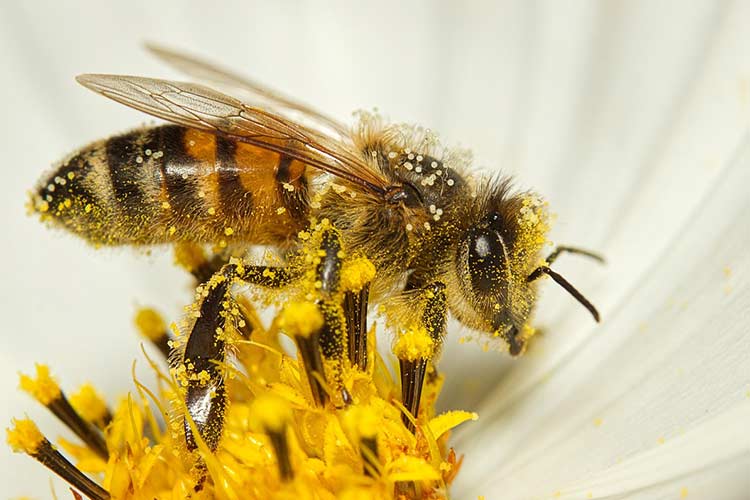
The metabolism of bees is relatively slow. Once the drug enters their bodies, roxithromycin can remain in tissues or body fluids for an extended period. Therefore, the unmetabolized roxithromycin may be transferred into the honey through salivary secretion or physical contact.
Improper or excessive use of antibiotic
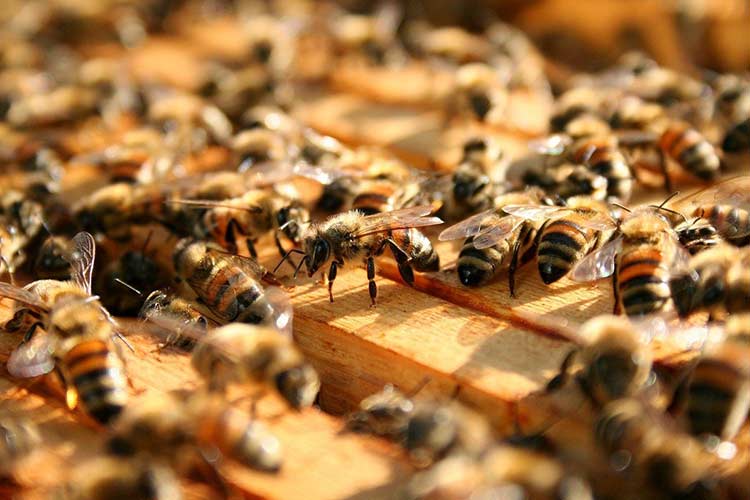
In some small beekeeping operations, beekeepers may mix drugs on their own, use unapproved veterinary products or even apply human antibiotics directly to bee colonies. Such practices not only increase the risk of residue but can also lead to cross-contamination of multiple antibiotics in honey.
Cross-contamination in honey storage
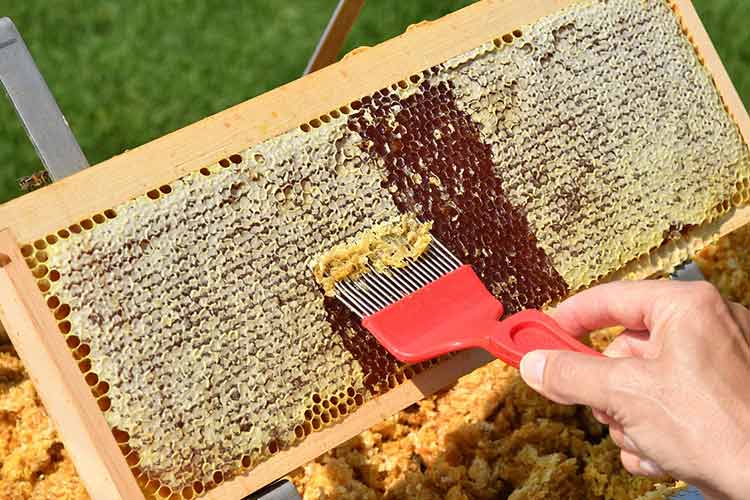
Secondary contamination can occur during the collection of honey. If storage containers or filtering equipment are not properly cleaned, roxithromycin residue may be transferred to new batches of honey. Proper sanitation and separation of tools during honey storage are essential to prevent such contamination.

Environmentally indirect contamination
Roxithromycin used in nearby farms can contaminate air or water sources. Bees may absorb trace amounts while foraging, leading to antibiotic residue in honey. Such environmental contamination is subtle but increasingly concerning for honey safety.
Roxithromycin Test Kit - Rapid Detection for Roxithromycin Residue
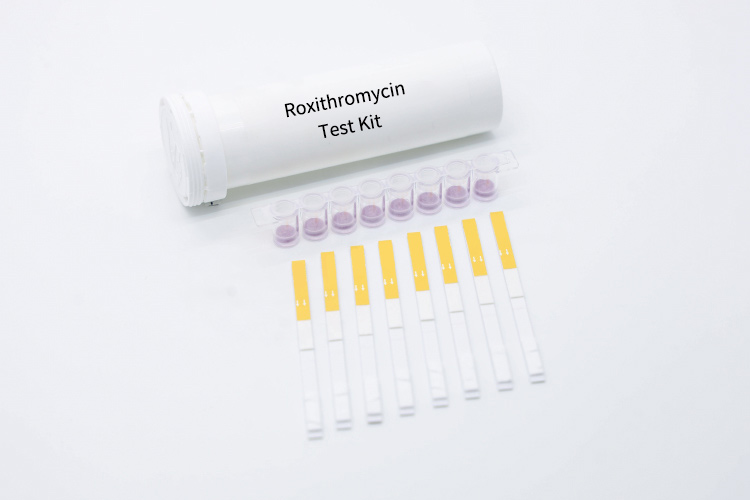
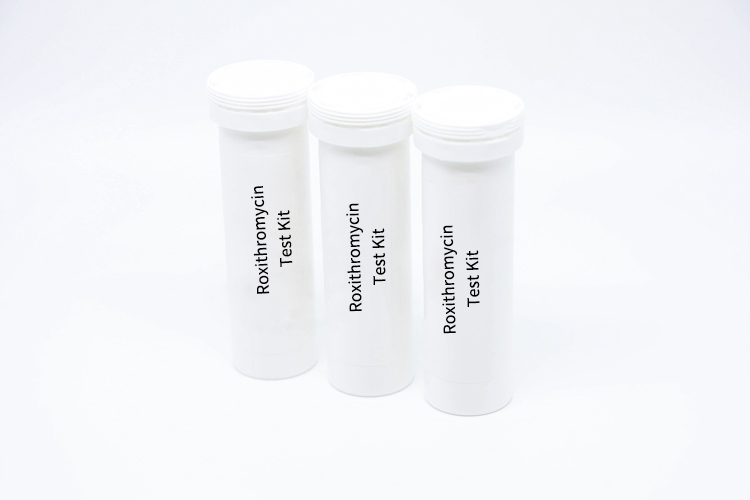
Roxithromycin test kit is a convenient tool for the rapid detection of roxithromycin residue in honey. This test kit uses colloidal gold immunochromatography and can be used for on-site detection without professional laboratory equipment. Just add the appropriately diluted honey sample to the test kit. The kit will show visible lines through a specific chemical reaction. Later, the test result can be obtained within 5 to 10 minutes. Roxithromycin testing kit is widely used by beekeepers, honey processing enterprises and food safety regulatory authorities to ensure product quality and compliance. It features high sensitivity, intuitive readability and simple operation, making it highly suitable for rapid detection of large batches of honey. Incorporating roxithromycin test kit into daily quality control can effectively prevent honey containing drug residue from entering the market and ensure that consumers obtain safe and reliable products.
Why Choose Our Roxithromycin Test Kit?
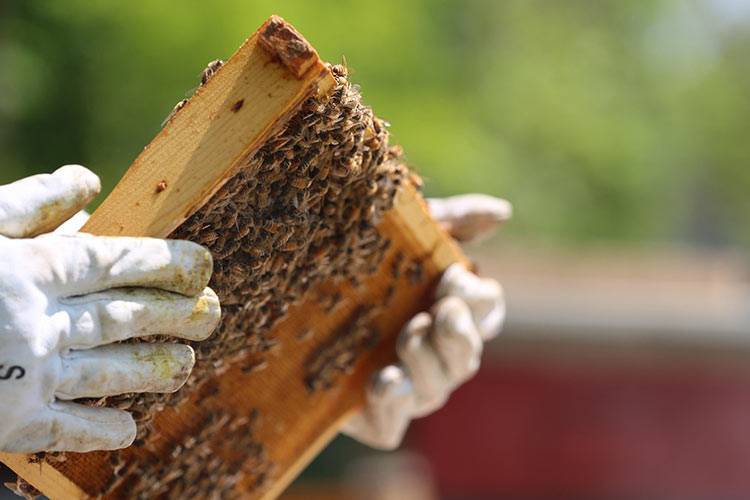
Convenient for on-site testing
It is portable and can provide results in few minutes, suitable for on-site testing without the need for specialized equipment.
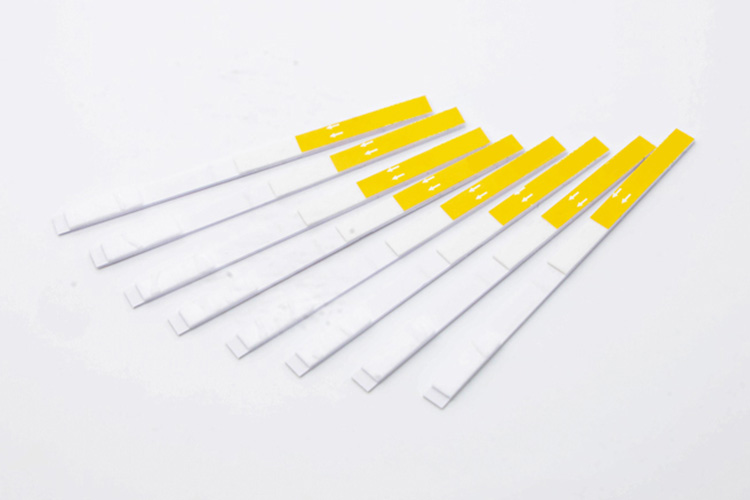
High sensitivity for accurate detection
It can detect even trace amounts of roxithromycin with minimal cross-reactivity to other antibiotics.

Easy to use
The simple procedure can be performed by beekeepers, honey processors or quality inspectors with minimal training.
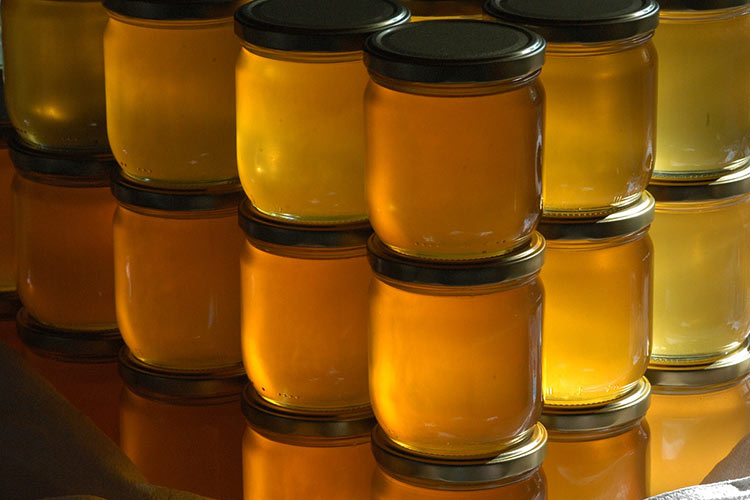
Cost-effective testing
It is an affordable testing solution for large-scale honey testing, reducing labor and testing costs.
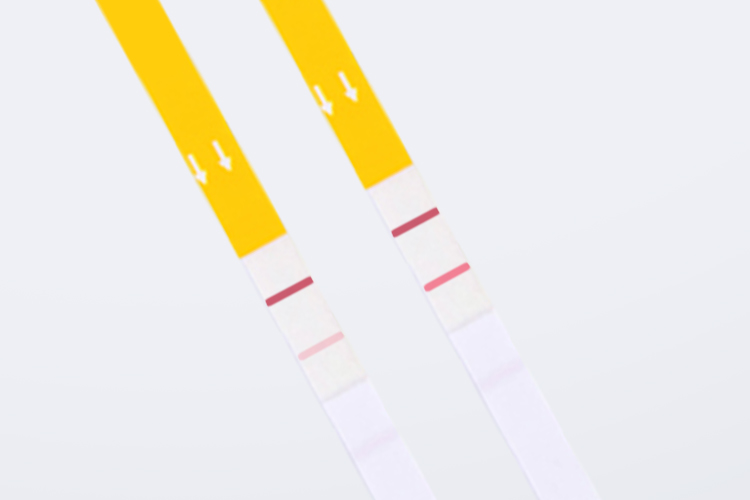
Clear visual result
The test and control lines provide intuitive interpretation and can be read easily, reducing the risk of human error.
Reliable and consistent result
Each test kit undergoes strict quality control to ensure accurate and consistent result.
How to Use Roxithromycin Test Kit?
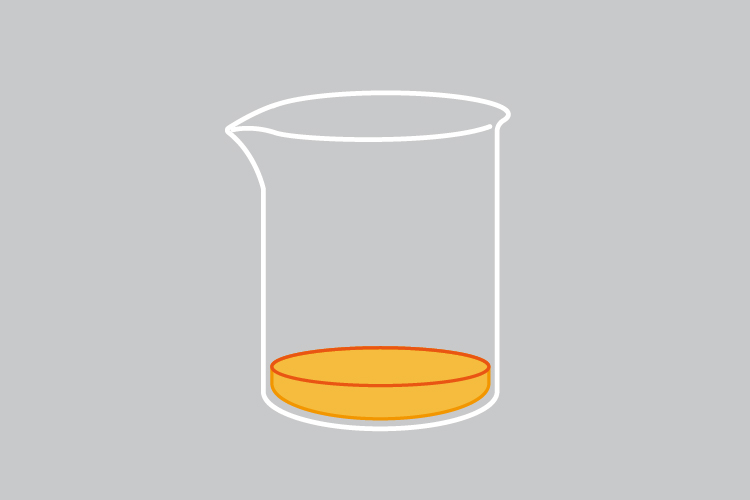
Sample preparation
Dilute the honey sample appropriately according to the instructions and mix it thoroughly.
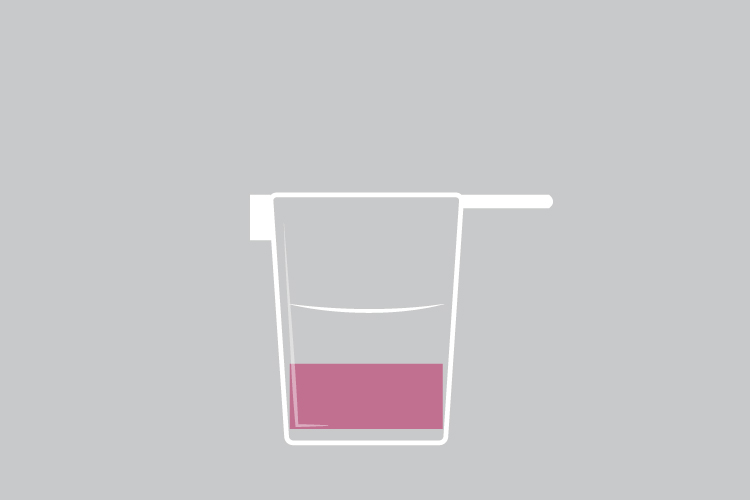
Take micro-well
Open the tube, take out a micro-well and immediately cover it with the cap.
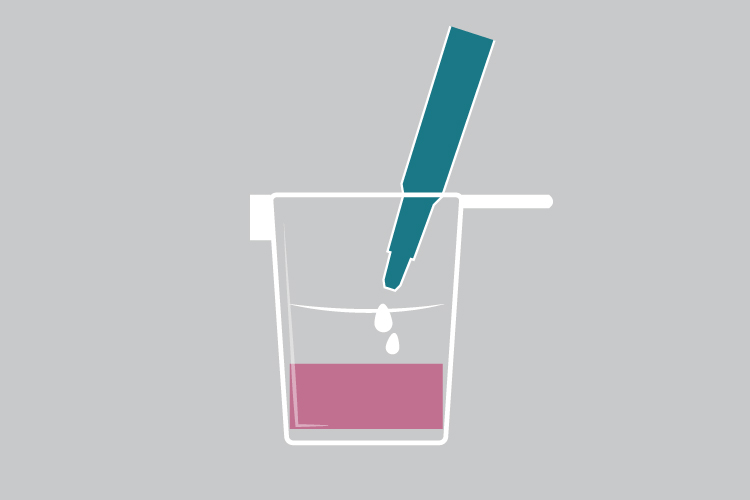
Sample addition and mixing
Add 200μL of the test solution to the micro-well and pipette up and down 10 times to ensure thorough mixing of the samples.
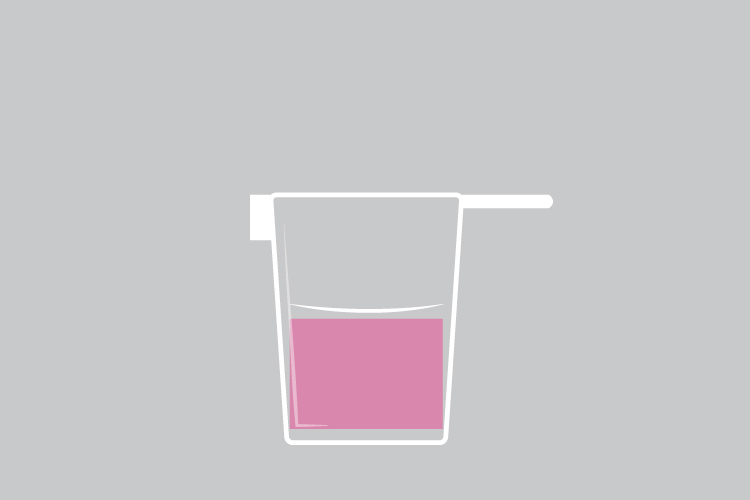
Incubation reaction
Incubate the sample for 3 minutes.

Insert the test strip
Insert the test strip into the micro-well and ensure that the sample pad is fully immersed in the liquid.

Interpret the result
Read the test result in 5 minutes.
Negative: T line appears with the same or greater intensity than C line.
Positive: T line is lighter than the C line or completely absent.
Invalid: C line does not appear.
Inquiry for Roxithromycin Test Kit
We would like to hear from you. Please send us a message by filling out the form below and we will get back with you shortly.