
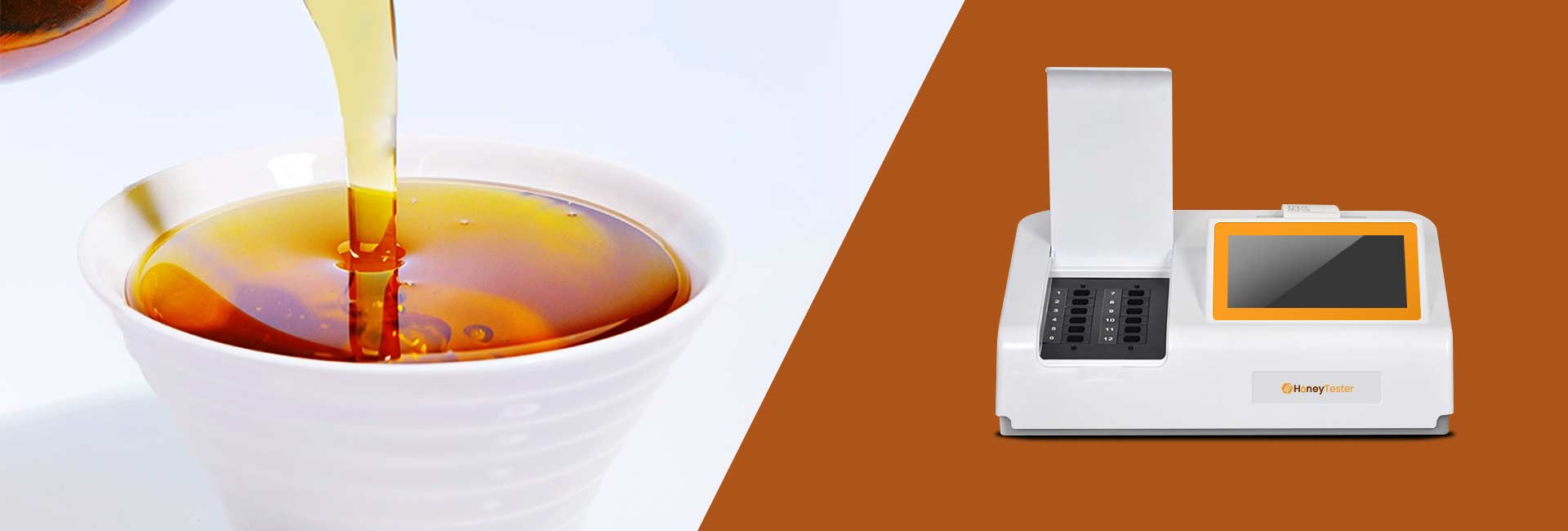
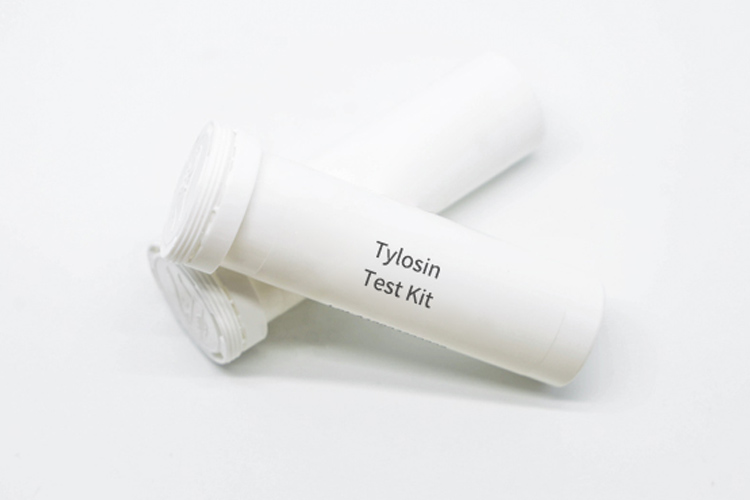
Tylosin Test Kit
What Is Tylosin?
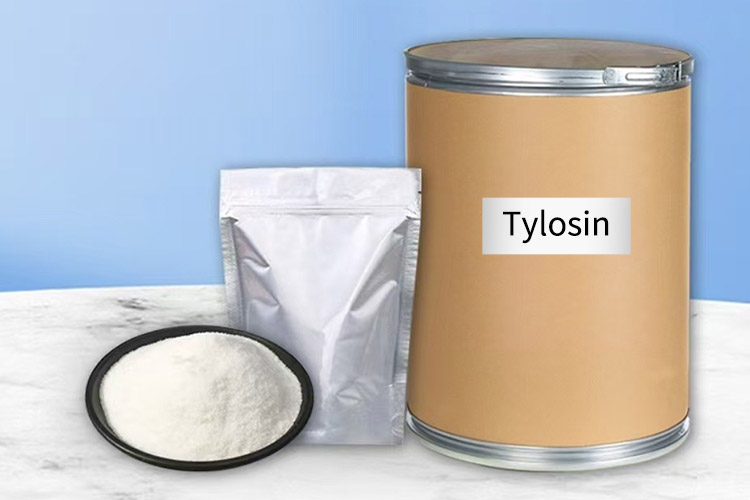
Tylosin is a macrolide antibiotic produced by the fermentation of streptomyces and belongs to 16-membered macrolide antibiotic structure of antibacterial drugs. It was first discovered in the 1950s and is an antibiotic specifically used in the animal field. It is widely applied in animal husbandry and beekeeping to prevent and treat bacterial infections and mycoplasma infectious diseases. The antibacterial mechanism of tylosin mainly works by inhibiting the protein synthesis of bacteria. It can bind to the 50S subunit of bacterial ribosomes, block the extension of peptide chains and inhibit the growth and reproduction of bacteria. This mechanism of action enables tylosin to have a good effect in dealing with pathogens such as Gram-positive bacteria, mycoplasma and spiroplasma.
The application scope of tylosin is not limited to bees. It is also widely used in other livestock and poultry breeding. Compared with other antibacterial drugs, tylosin has lower toxicity and better animal tolerance, which holds an important position among veterinary antibiotics and is often used for the prevention and treatment of bacterial infections in poultry and other animals. It can not only effectively inhibit the growth of pathogenic bacteria, but also help maintain the balance of intestinal flora in animals and improve feed utilization rate. In modern animal field, tylosin and its derivatives such as tylvalosin, tilmicosin, etc. constitute an important family of macrolide veterinary drugs. Therefore, it is regarded as a safe and reliable veterinary antibacterial drug.
The application scope of tylosin is not limited to bees. It is also widely used in other livestock and poultry breeding. Compared with other antibacterial drugs, tylosin has lower toxicity and better animal tolerance, which holds an important position among veterinary antibiotics and is often used for the prevention and treatment of bacterial infections in poultry and other animals. It can not only effectively inhibit the growth of pathogenic bacteria, but also help maintain the balance of intestinal flora in animals and improve feed utilization rate. In modern animal field, tylosin and its derivatives such as tylvalosin, tilmicosin, etc. constitute an important family of macrolide veterinary drugs. Therefore, it is regarded as a safe and reliable veterinary antibacterial drug.
The Relationship Between Tylosin and Bees
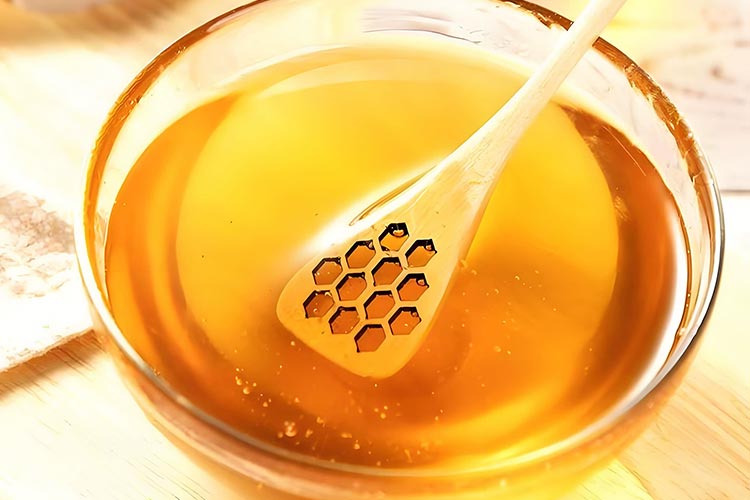
With the modernization of the beekeeping industry, the prevention and control of bee diseases have gradually become an important part of bee farm management. Tylosin, due to its good inhibitory effect on various bacteria, has also been introduced into the beekeeping industry and is used as one of the control drugs for bacterial diseases in bee colonies. Therefore, the connection between tylosin and bees mainly stems from its application in the prevention and treatment of bee colony diseases.
In beekeeping practice, tylosin is usually used in the form of powder or soluble preparations and can be provided for bee colonies to consume by spraying, mixing with syrup or blending into feed. Under normal circumstances, beekeepers will apply an appropriate amount of it in early spring before the bee colonies reproduce or during the high-incidence season of diseases to achieve preventive or therapeutic effects. It can effectively inhibit the spread of pathogenic bacteria, maintain the health and stability of the bee colony and increase honey production. Tylosin is mainly used to prevent and treat bacterial diseases of bees, such as American Foulbrood and European Foulbrood. These diseases are caused by bacteria , which can lead to the massive death of colony larvae, affecting the reproductive capacity and honey production of the colony. Tylosin has a strong inhibitory effect on these pathogenic bacteria so it has been widely applied in bee colony disease prevention and bee farm management. In addition to the prevention and control of larval rot disease, tylosin can also be used to prevent some secondary bacterial infections. When bee colonies are subjected to external stress such as weather changes, migration,and periods of honey shortage, the physical condition of bees declines, making them prone to various bacterial diseases. Appropriate use of tylosin can help bee colonies get through these stressful periods and maintain their vitality.
The Reasons of Tilmicosin Residue in Honey
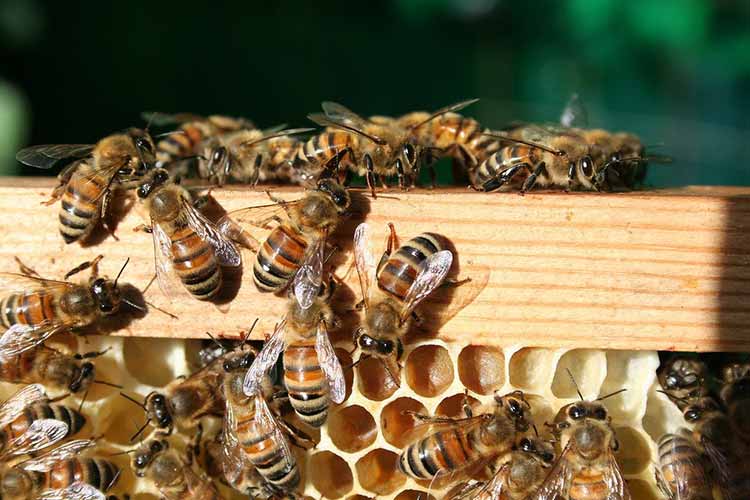
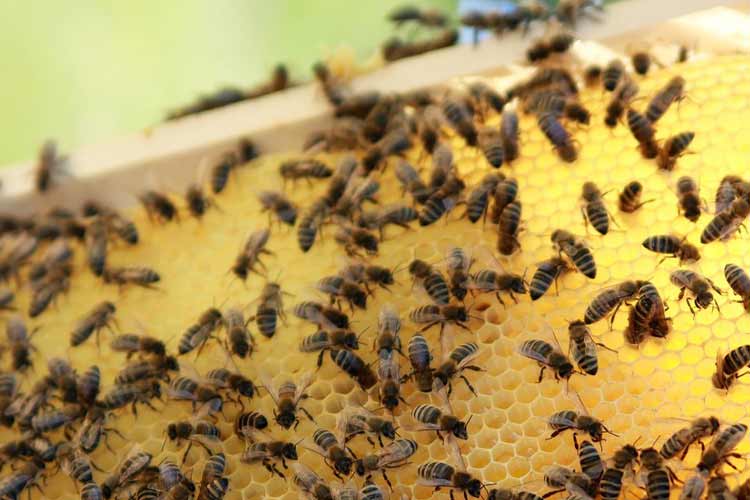
Drug distribution in bees’ bodies
Tylosin is absorbed by bee after using and distributed in their bodies through body fluids. Some drug components may temporarily remain in bee tissues or secretions, which makes it possible to detect trace amounts of tylosin in honey.
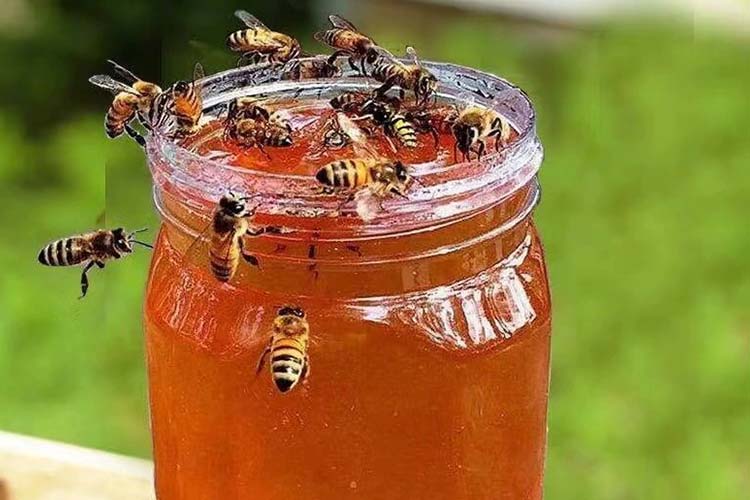
Drug movement through food
When bees consume syrups or drug mixtures containing tylosin, the drugs will be digested and metabolized in the bees’ bodies along with the food. Meanwhile, during the process of honey collection and storage, some components may mix into the honey, forming residues.
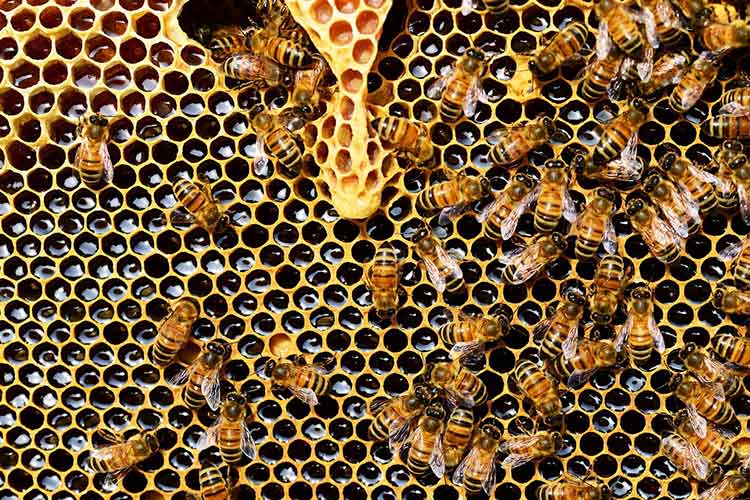
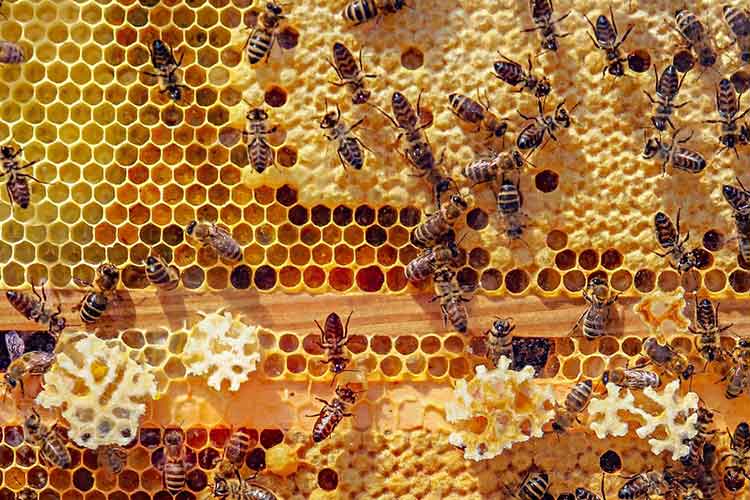
Retention in the hive
Tylosin has a certain degree of stability and is not easily completely degraded. In the honeycomb, honey storage areas or propolis of the hive, some drugs may remain, which is also one of the sources of residue.
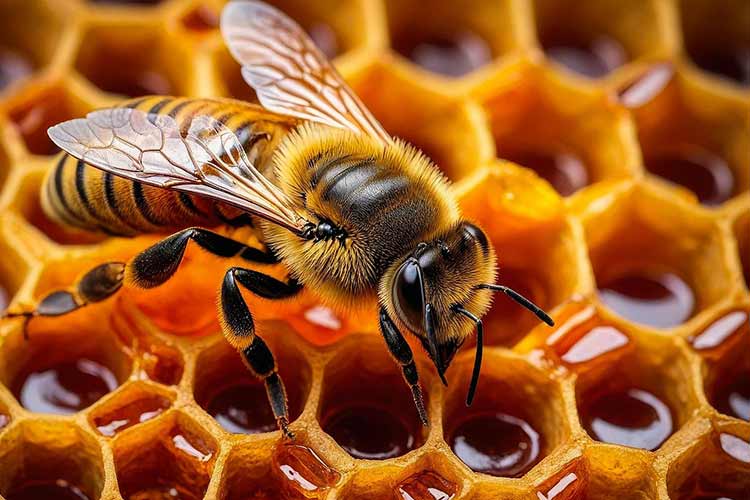
Different metabolism rates
The speed at which bees metabolize and excrete tylosin can vary depending on individual differences, colony health and environmental conditions. Some drug may remain in the bees longer and enter honey before complete elimination.
Dosage and treatment timing
Higher doses or continuous administration may increase the amount of tylosin in bees. Following recommended dosage and treatment intervals can reduce residues but insufficient withdrawal periods may still result in trace amounts.
Mixing effect in honey production
During nectar collection and honey processing, bees mix nectar from different sources. Even if only some colonies receive tylosin, the drug can spread across the batch of honey, leading to detectable residues.
Tylosin Test Kit - Rapid Detection for Tylosin Residue
Tylosin test kit, also called tylosin testing kit, is a rapid detection tool specifically designed for detecting tylosin residues in honey. This kit employs advanced immunochromatography technology. By binding specific antibodies with tylosin molecules, it enables rapid identification and qualitative analysis of drug residues in samples. Compared with traditional laboratory methods, tylosin test kit does not require complex equipment and professional experimental conditions. It can be operated directly on site and obtain reliable test results in a short time. During the usage, the operator only needs to perform simple pretreatment on the sample according to the instructions, such as diluting an appropriate amount of honey and immerse the strip into the sample. The tylosin in the sample will react with the pre-fixed antibody in the reagent and the test result will be displayed through a colorimetric reaction or changes in the color band. Usually, it can be intuitively determined within a few minutes whether a sample contains tylosin residue. In addition, tylosin testing kit has several obvious advantages, making it the preferred tylosin detection tool for beekeepers, livestock farms and food testing institutions. Firstly, it is easy to operate and does not require large equipment or complex experimental skills, making it suitable for on-site rapid screening and daily management. Secondly, the kit features high specificity and sensitivity, capable of effectively identifying 10 ppb residues amounts, helping users obtain reliable data in a short period of time. It also has good storage stability and is suitable for preservation at room temperature.
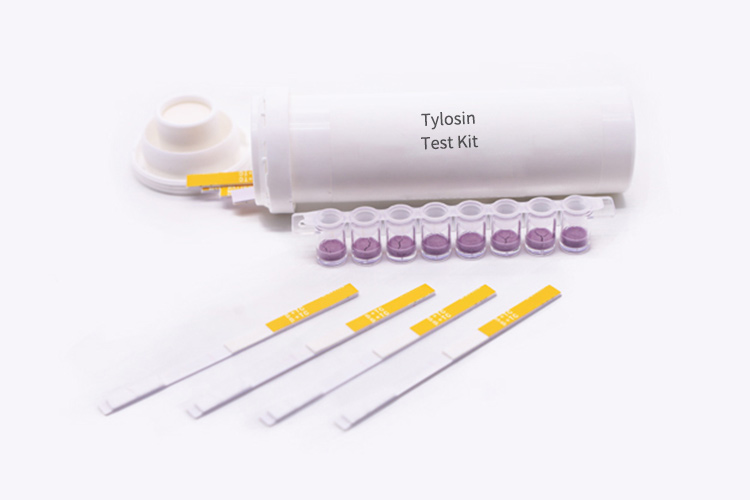
With its characteristics of rapidity, simplicity and sensitivity, tylosin residue test kit provides a reliable quality control tool for the beekeeping, enabling users to manage product quality and medication more efficiently and enhancing the market competitiveness and trustworthiness of bee products.
Why Do Beekeepers Need Tylosin Test Kit?
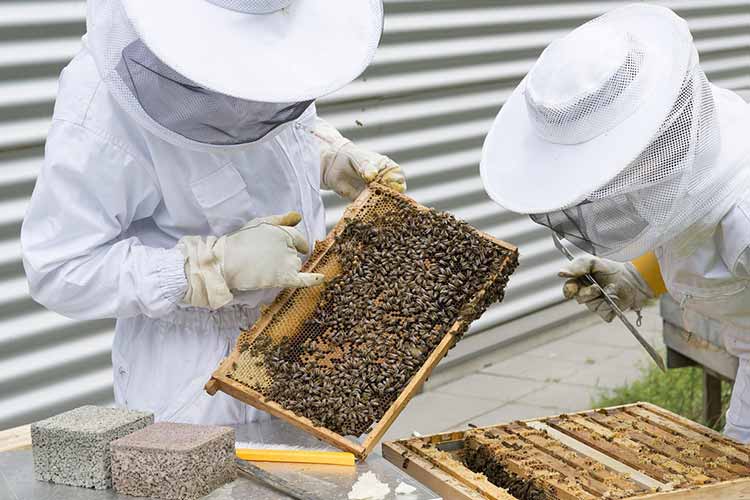
In modern beekeeping production, beekeepers need to manage the quality of bee products in a timely manner to ensure the health of the bee colonies and the purity of the honey. Due to the tylosin veterinary use in bee colonies, environmental factors or the mixed characteristics of bee products, there may be trace amounts of drug residues in honey, such as tylosin. Tylosin test kit can help beekeepers obtain the test results of honey samples in a short time, enabling scientific and immediate management decisions. With rapid testing, beekeepers can conduct initial screening on-site at the apiaries without waiting for the complex analysis process in the laboratory, saving time and labor costs. Meanwhile, the test results can guide beekeepers to rationally arrange the intervals of medication and honey collection time and optimize production operations. For large-scale bee farms, tylosin testing kit can efficiently screen multiple bee colonies or different batches of honey, improving work efficiency and management accuracy. In addition, as the market’s requirements for the quality of bee products increase, tylosin residue test kit enables beekeepers to confirm whether the honey meets the standards before the products are put on the market, better planning the harvest and sales strategies. It can also serve as a daily management tool to help beekeepers monitor the health status of their colonies, evaluate the effectiveness of drug use and establish a scientific medication record system.
Therefore, it can not only enhance the operational convenience of beekeepers in the process of bee product production, but also strengthen the scientific and data-driven nature of management, providing significant support for the efficient operation of modern beekeeping.
Why Choose Our Tylosin Test Kit?
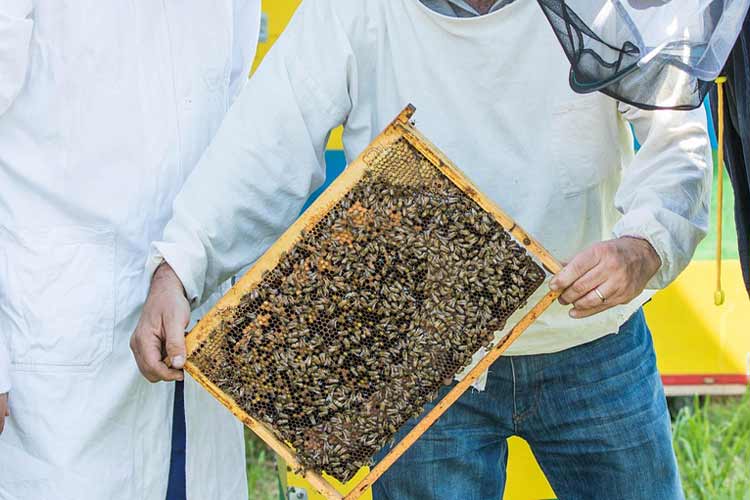
Rapid detection
Tylosin test kit provides quick results within minutes, enabling immediate on-site decision making without waiting for lab analysis.
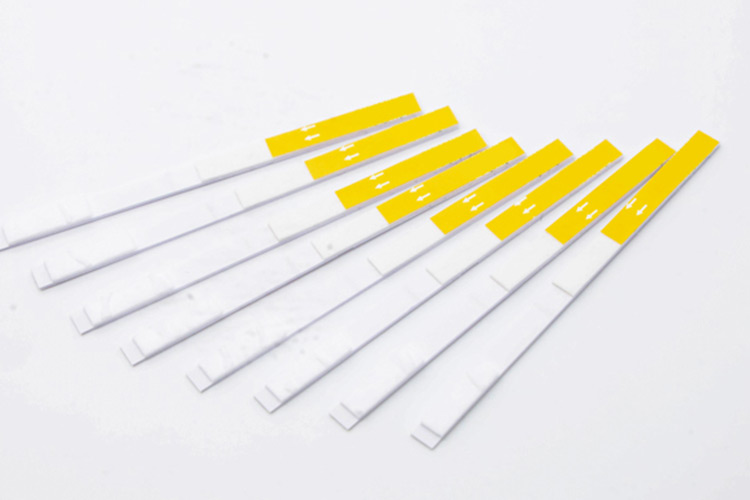
High sensitivity
The minimum detectable residual amount of tylosin reaches 10 ppb, ensuring reliable screening of honey samples.
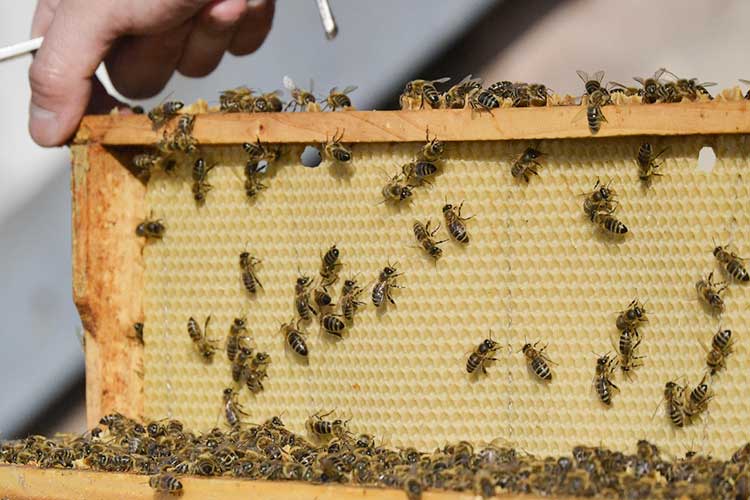
User-friendly operation
Simple procedure with no need for complex instruments or specialized training, suitable for beekeepers and field personnel.
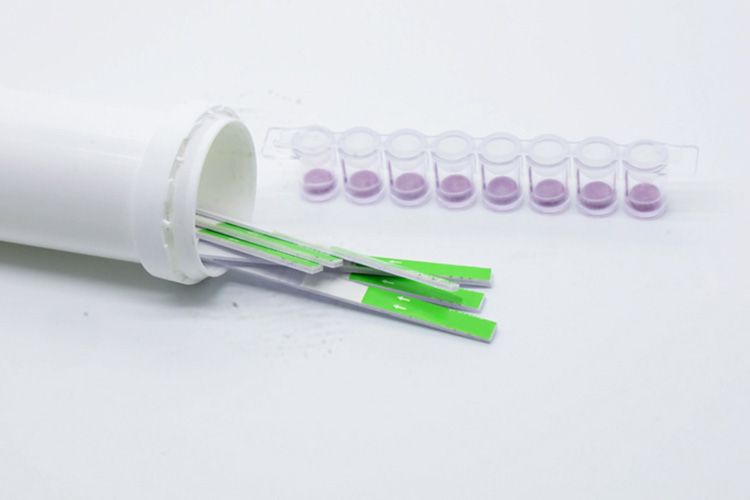
Portable design
Tylosin test kit is easy to transport with 0.3kg gross weight, ideal for field testing and on-site quality control.
Stable and reliable testing
Tylosin testing kit has long shelf life and stable performance under standard storage conditions, ensuring consistent results over time.

Cost-effective testing
Tylosin residue test kit can reduce testing time and labor costs while maintaining high accuracy, improving efficiency for beekeepers and food safety inspectors.
How to Use Tylosin Test Kit?
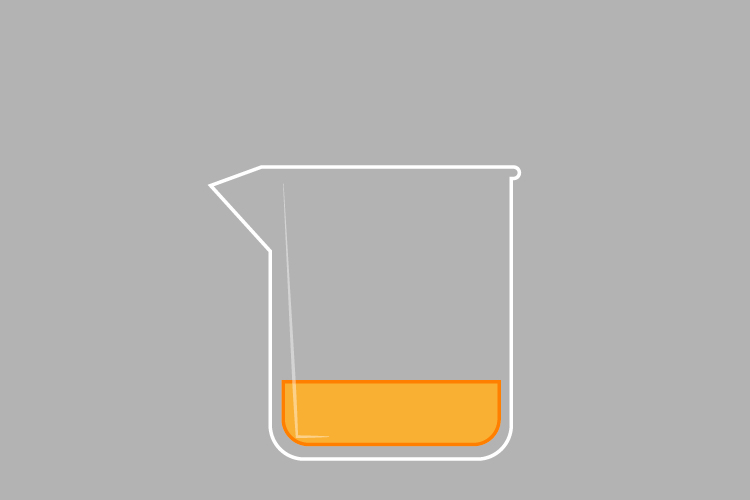
Sample preparation
Dilute the honey sample appropriately and mix it evenly according to the instructions.
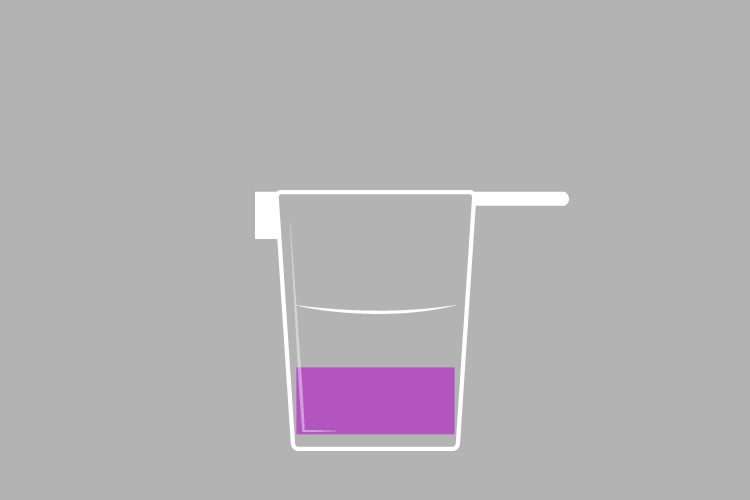
Take micro-well
Open the tube, take out a micro-well and immediately cover the tube.
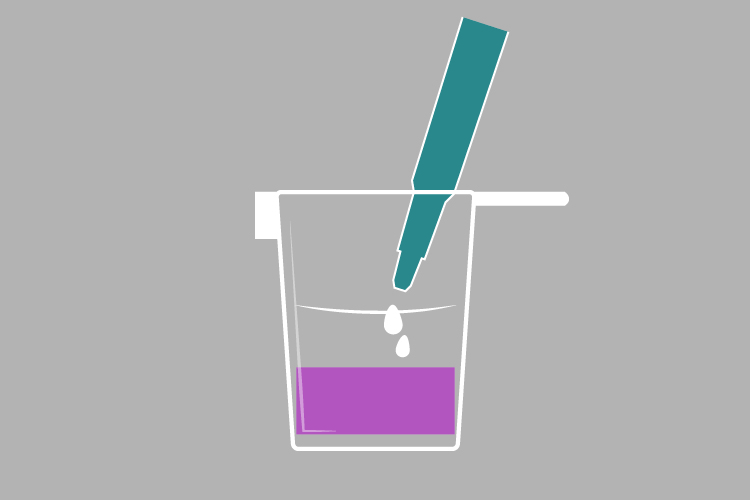
Sample addition and mixing
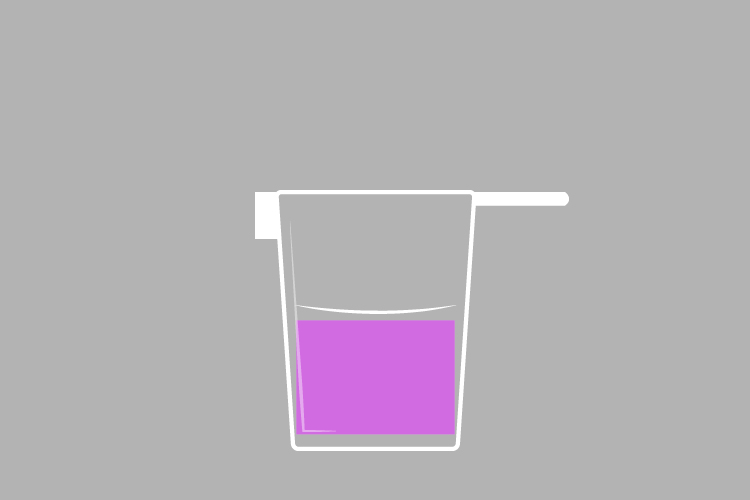
Add 200μL of the test sample to the micro-well and pipette up and down 10 times to ensure mixing the sample thoroughly.
Incubation
Incubate the honey sample for 3 minutes.

Insert the test strip
Insert the test strip into the micro-well with the sample pad fully dipped.
Interpret the result
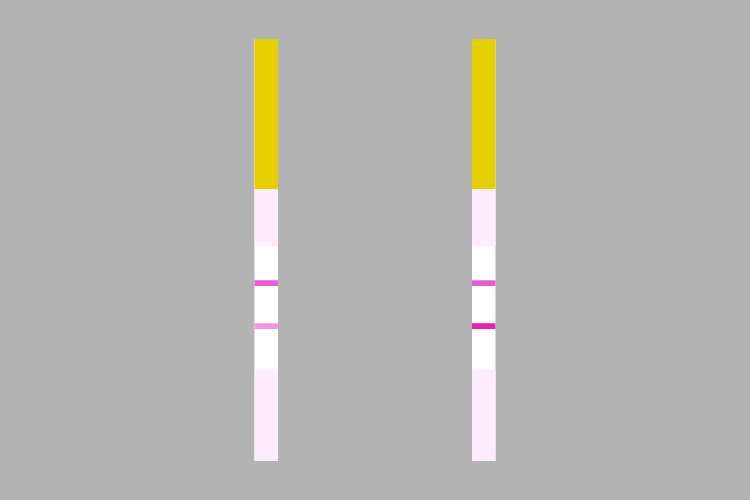
Read the test result in 5 minutes.
Negative: T line intensity is equal to or stronger than C line.
Positive: T line intensity is weaker than C line or completely absent.
Invalid: C line does not appear.
Inquiry for Tylosin Test Kit
We would like to hear from you. Please send us a message by filling out the form below and we will get back with you shortly.