

Dexamethasone Test Kit
For drug residual in raw honey testing
What Is Dexamethasone?
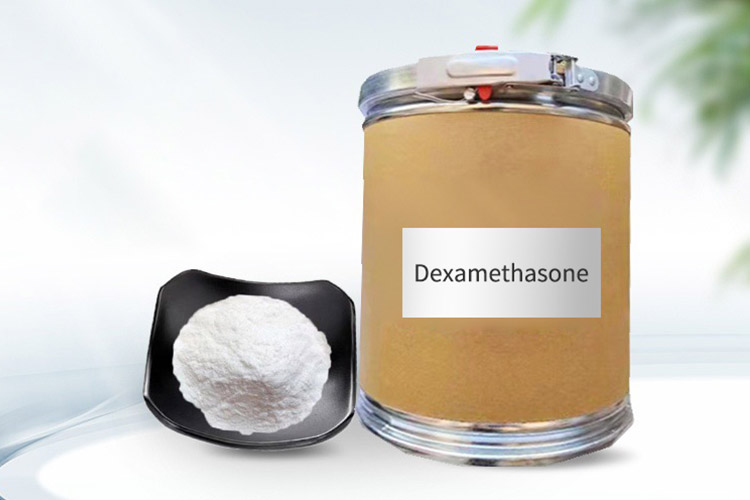
Dexamethasone is an artificially synthesized long-acting glucocorticoid with multiple physiological functions such as anti-inflammation, anti-allergy and immunosuppression. In the medical field, dexamethasone is widely used to treat inflammatory responses caused by bacterial infections. Due to its significant effect and rapid onset of action, it has long been one of the common hormone drugs in medical treatment.
In the fields of veterinary medicine and livestock breeding, dexamethasone is also used to relieve animal inflammation, increase survival rates, improve stress responses and assist in controlling disease symptoms. For instance, in the field of beekeeping, dexamethasone is used to address inflammation and weakness caused by viral diseases in bee colonies, larval rot, microsporidium infection in order to maintain the vitality and honey production capacity of the bee colonies. However, dexamethasone is a strictly regulated antibiotic. In most countries and regions, it is strictly prohibited to retain detectable dexamethasone residues in edible animal products during food production such as honey. Once antibiotic residues are detected in food, it may cause food safety risks and also violate food safety standards and export trade regulations.
Therefore, although dexamethasone is a drug of significant value in the medical fields, its use must be cautious and compliant. Especially in the fields related to food production, it is even more necessary to establish an effective drug use management and residue monitoring mechanism. For groups such as honey producers, beekeeping cooperatives, honey processing factories and export traders, understanding the properties of dexamethasone and its position in the food safety supervision system is an important prerequisite to ensure product quality, maintaining brand reputation and meet market access requirements.Overall, roxithromycin is a high-performance and structurally improved macrolide antibiotic. It represents an important stage in the development of erythromycin. Also, roxithromycin has high scientific value and application significance both in pharmacological research and in the exploration of antibacterial mechanism.
The Connection Between Dexamethasone and Honey
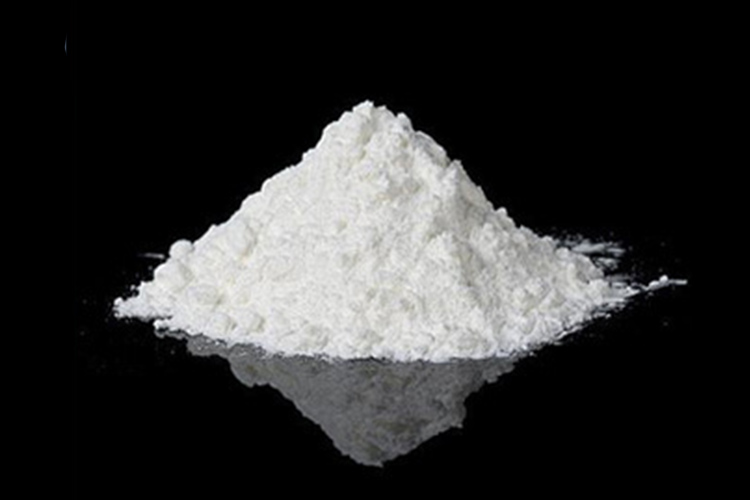

Honey is a natural food made by bees through processing nectar collected from flowers. It is rich in nutritional value and has various health benefits. In bee colony farming, bees interact closely with the environment. Bees not only need to collect nutrients from plant nectar, but also need to maintain the balance and health within the group. Once a bee colony experiences stress, infection or sudden environmental changes, it may lead to a decline in the health of the colony, affecting the honey collection efficiency and the quality of honey. In order to help the bee colonies regain their condition and maintain the vitality of the hives, some apiaries pay attention to the inflammatory response and immune status of the bee colonies during management and take corresponding health regulation measures under the guidance of veterinarians. Therefore, dexamethasone is considered to regulate the body’s inflammatory response and support the stability of the body which is mentioned in the topics of beekeeping and bee products. Dexamethasone is often used as a reference substance with clear anti-inflammatory properties to observe the physiological responses of bee colonies under different conditions, helping beekeepers better understand the relationship between the vitality of bee colonies and the quality of honey.
In the field of apiaries health management and research, dexamethasone, as a reference drug with clear anti-inflammatory and immunomodulatory effects, is often used to observe and evaluate the physiological state changes of bee colonies under different stress conditions. By comparing the vitality, honey collection capacity and hive organization state of bee colonies in their natural state and regulated state, beekeepers can better understand the intrinsic connection between the health of bee colonies and the quality of honey, optimizing breeding strategies and production management.
What Leads to Dexamethasone Residues in Honey?
The presence of dexamethasone residues in honey is usually related to improper medication during beekeeping. Dexamethasone should not be used in beekeeping production. However, in actual breeding, some breeders use such drugs to reduce the losses caused by bee diseases, resulting in residues.The main causes of residue generation include:

Boost bacterial colony activity improperly
Beekeepers may use dexamethasone to manage certain bee health issues. However, this type of drug can enter the hive ecosystem and eventually appear in the collected honey.
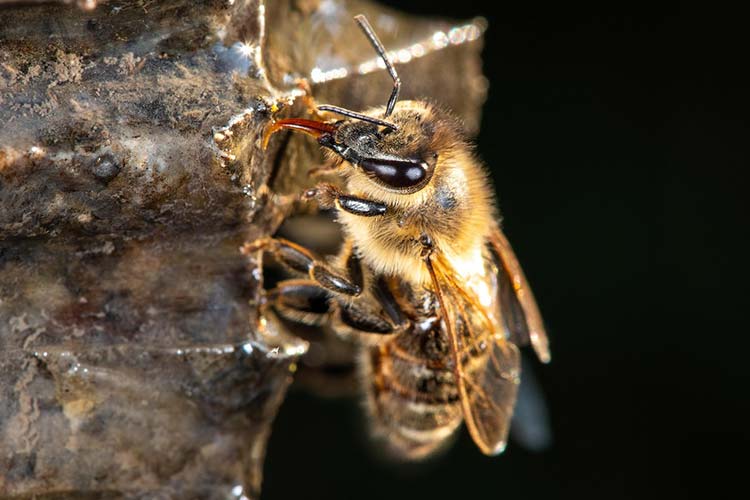
Accumulate residues through repeated use
Dexamethasone can build up over time. Continuous or high-dosage use leads to gradual accumulation in bee tissues and honeycombs, making residues detectable in honey products.
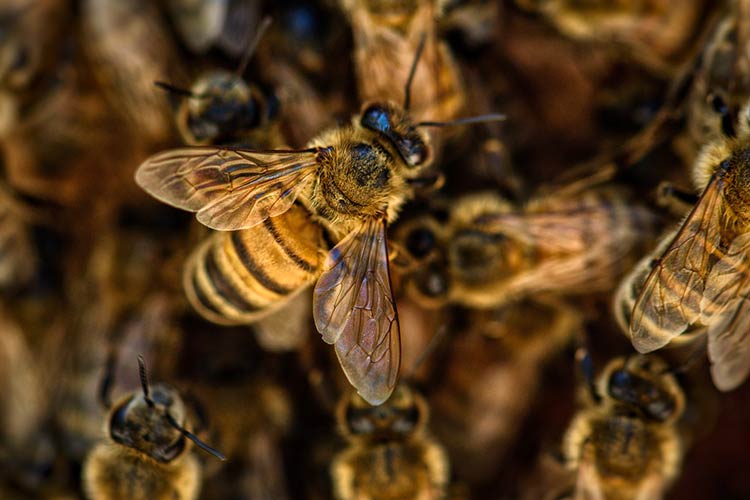
Skip the required withdrawal period
If honey is harvested before the bees have metabolized the drug completely, dexamethasone residues may remain and enter the final product. It is one of the most common causes of contamination in honey production.

Introduce contamination from the surroundings
Environmental exposure to livestock operations that use dexamethasone can contaminate nectar sources. Bees collecting nectar may carry trace residues back to the hive.
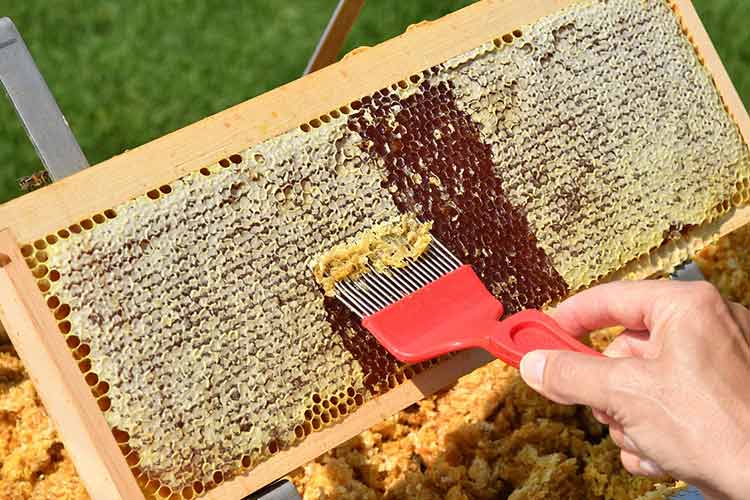
Operate apiaries without standardized management
Small or informal apiaries may lack standardized disease control protocols and compliance monitoring. Without training or guidance, some beekeepers may rely on human-use or inappropriate veterinary drugs.
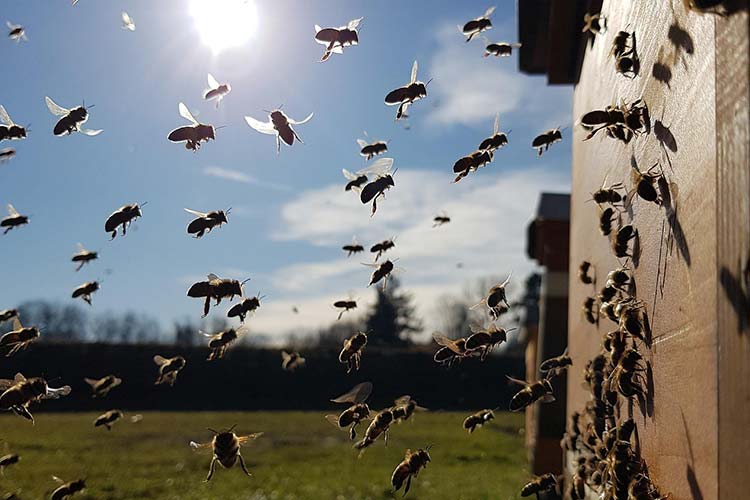
Provide supplementary feeding material
Some beekeeping practices involve offering bees additional sugar syrups, nutrient solutions or supplemental formulas. If these materials are not sourced or managed properly, unintended substances may enter the honey production.
Health Risks of Dexamethasone Residues in Honey
Dexamethasone is an artificially synthesized glucocorticoid and is widely used in the treatment of diseases in human and animal. However, when this hormone-like substance enters honey in its residual form and is ingested by the human body, it may pose a potential risk to health. Unlike natural foods, dexamethasone is not a nutrient in honey that the human body needs, but an exogenous chemical substance with biological activity. Even if the content level is not high, it may have adverse effects on the human body’s metabolism and immune system. Especially for children, pregnant women, the elderly and people with more sensitive immune systems, the risk is even more significant. First of all, dexamethasone has an inhibitory effect on the human immune system. Long-term or repeated intake of honey containing hormone residues may lead to a decline in the body’s immune response capacity, making the human body more vulnerable to bacterial, viral and fungal infections. Secondly, dexamethasone may affect the endocrine balance of the human body. Glucocorticoids can bind to human hormone receptors. Long-term intake may lead to hormonal metabolic disorders. This endocrine disruption may affect the growth and development of teenagers, bringing potential long-term impacts. Moreover, the intake of dexamethasone may also have adverse effects on the skeletal system.

Studies show that glucocorticoids can inhibit the generation of bone cells and increase bone resorption, increasing the risk of osteoporosis. In addition, dexamethasone may affect blood sugar metabolism. It will promote the breakdown of liver glycogen and raise blood sugar levels. Diabetic patients and people with weak blood sugar control ability should consume substances containing residues for a long time For consumers who pursue food safety and a healthy lifestyle, it is crucial to ensure that honey does not contain hormone residues. For beekeepers, standardizing breeding, avoiding illegal drug use and establishing a scientific bee disease prevention and control system are the foundations for maintaining the healthy development of the honey industry.
Dexamethasone Test Kit - Rapid Detection for Dexamethasone Residue
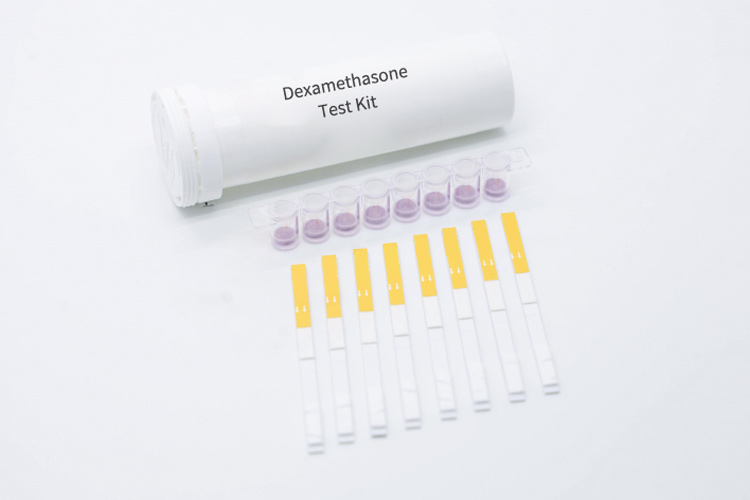
Dexamethasone test kit is a rapid screening tool specifically designed to detect whether there is dexamethasone residue in honey. Dexamethasone is an artificially synthesized glucocorticoid. However, a small number of beekeepers may use dexamethasone in violation of regulations during management to relieve colony stress or deal with bee diseases. This improper use of medication can lead to hormone residues entering honey, affecting the quality of honey and food safety. Therefore, the detection of dexamethasone residues has become one of the key areas for quality control and supervision in the bee products industry. To assist beekeepers, bee product processing factories and food safety regulatory authorities in quickly determining whether there are hormone residues in honey, dexamethasone testing kit adopts colloidal gold immunochromatography. Through the specific recognition of antigens and antibodies, it can realize the rapid and intuitive detection of dexamethasone in honey.
Users only need to follow the instructions to perform simple processing on the honey sample, add the processing solution to the sample pad of the test kit and wait for 5 minutes to determine whether there is any residue by observing the color development of the test line and the control line with the naked eye. No additional instruments or laboratory environment are required. The application of dexamethasone test kit makes the quality control of honey more transparent, efficient and reliable. It not only helps producers identify problem batches in a timely manner, reducing economic losses, but also assists regulatory authorities in enhancing law enforcement efficiency. At the same time, it conveys a commitment to food safety to consumers, ensuring that honey truly returns to its original natural health value.
Features of Dexamethasone Test Kit
High specificity with minimal cross-reactivity
High sensitivity for trace residue screening
Simple operation for on-site testing
Portable and compact design for testing
Suitable for quality control compliance
Rapid testing result within 5 minutes
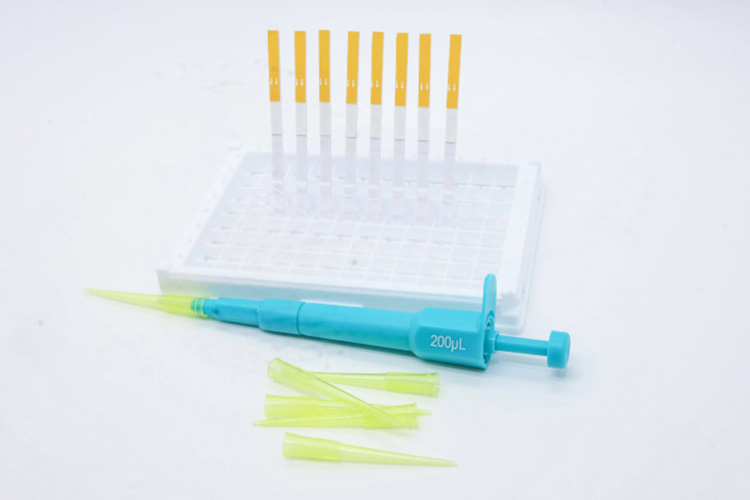
How to Test Dexamethasone Residue in Honey?

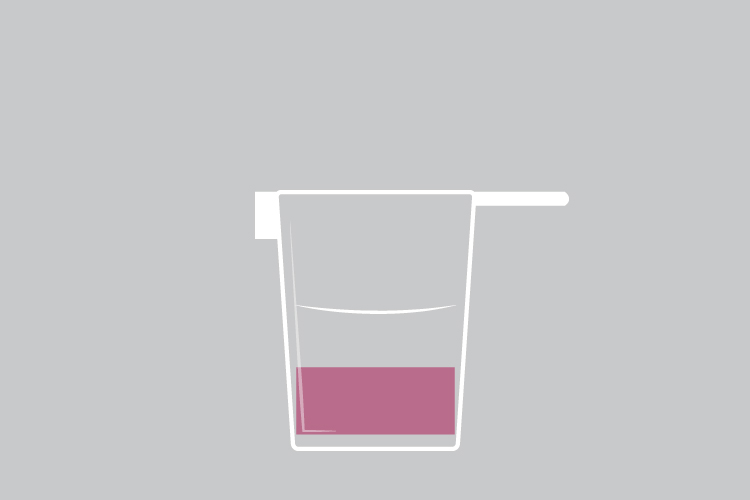
Sample preparation
Follow the instructions to dilute the honey sample and fully mix.
Prepare micro-well
Open the tube, take out the micro-well reagent and close the tube immediately.

Add test solution
Add 200 μL test solution to the micro-well and mix thoroughly by pipetting up and down.
Incubate

Incubate
Let the sample incubate for 3 minutes.
Insert test strip
Take out the test strip, insert it into the micro-well. Also, ensure the sample pad is fully submerged.
Read results
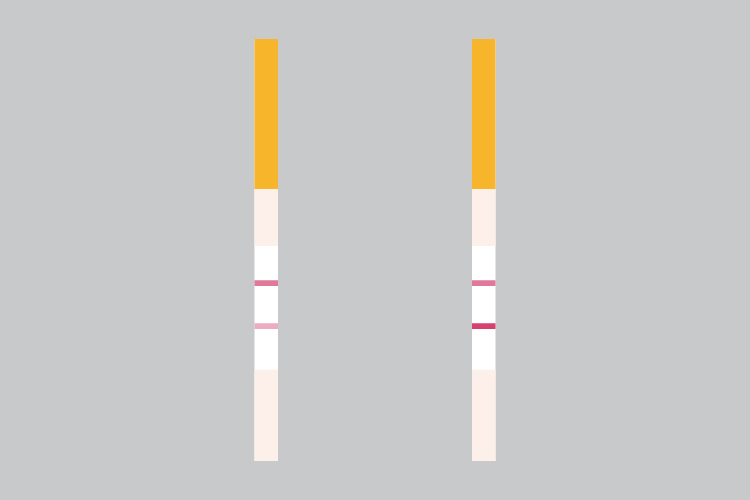
After 5 minutes, observe and record the results.
Negative: T line is equal to or has greater intensity than C line.
Positive: T line is weaker than the C line or completely absent.
Invalid: C line does not appear.
Inquiry for Dexamethasone Test Kit
We would like to hear from you. Please send us a message by filling out the form below and we will get back with you shortly.