

Neomycin Test Kit
What Is Neomycin?
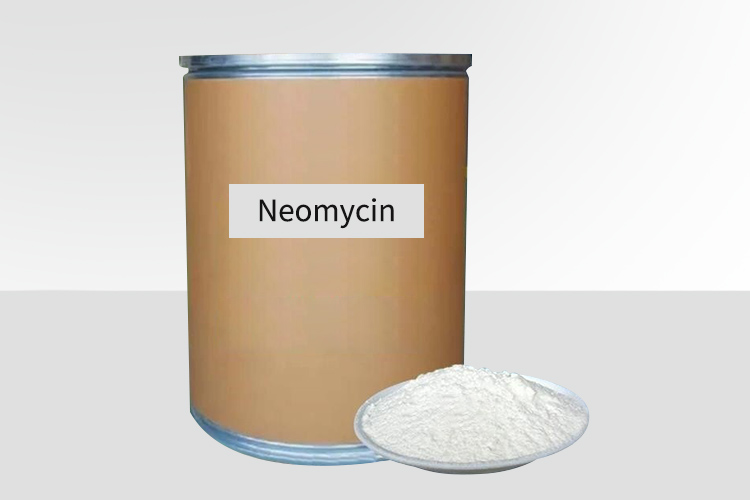
Neomycin is an aminoglycoside antibiotic with broad-spectrum antibacterial activity, which can effectively inhibit a variety of Gram-negative bacteria as well as some Gram-positive bacteria. As a classic and important antibiotic, neomycin was discovered in the middle of the 20th century and was quickly widely used in the fields of medicine and veterinary medicine. It usually exists in the form of sulfate. Due to its high water solubility and good stability, it is very easy to be prepared into various product forms such as injections, oral preparations, topical ointments or feed additives. The core antibacterial mechanism of neomycin mainly combines with the ribosomes of pathogenic bacteria, inhibiting the protein synthesis of pathogenic bacteria and exerting an antibacterial effect.
As an important member of aminoglycoside antibiotics, neomycin has practical value in multiple fields. For instance, in the breeding and feed industries, neomycin is used to control bacterial infections in animals. Despite increasingly strict global regulation of antibiotics, neomycin still holds an irreplaceable importance in clinical and aquaculture systems. In addition, it is also used to control bacterial contamination in feed, improving the hygiene level of animal feed and reducing the risk of pathogen transmission. With the strengthening of food safety supervision over animal sources in various countries, the use of neomycin in animal drugs has gradually been strictly restricted. However, in many breeding systems, it remains a representative and important veterinary antibiotic.
Role of Neomycin in Beekeeping
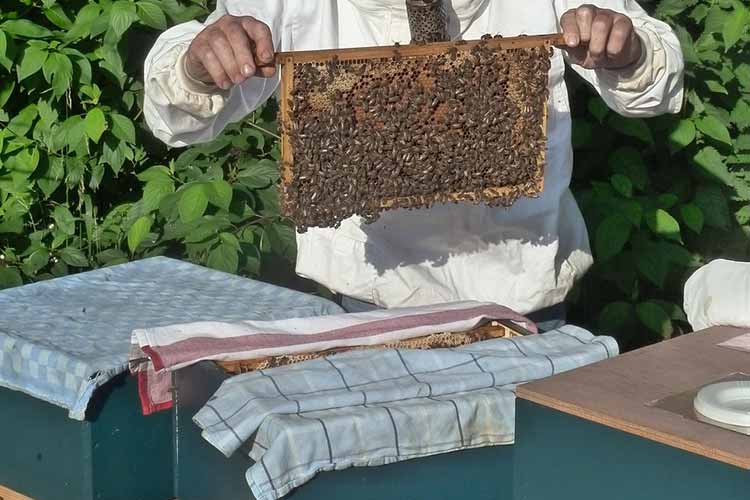
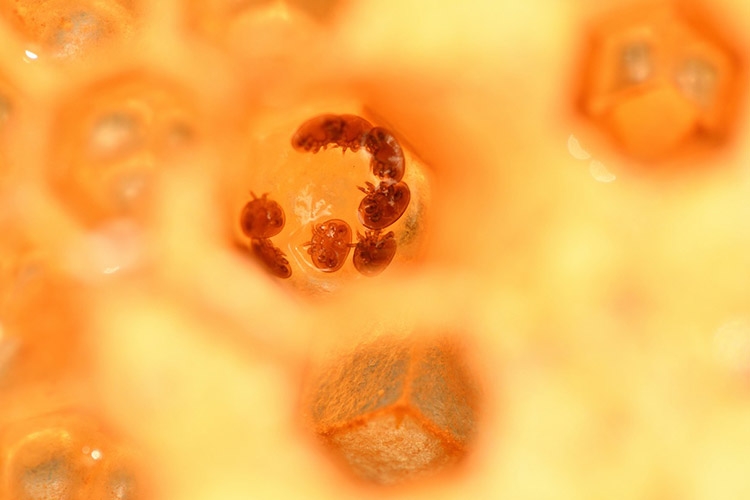
Neomycin is mainly used in beekeeping to prevent and control bacterial diseases in bee colonies, especially intestinal tract infection problems that affect the health of larvae and adult bees. Neomycin has inhibitory effects on a variety of Gram-negative bacteria, it was once used to deal with secondary bacterial infections such as bee yeast disease, putrid disease and others. Some beekeepers will use neomycin as an auxiliary control measure when the bee colony shows symptoms such as diarrhea, larval spoilage in order to reduce the spread of pathogenic bacteria within the hive.
However, bees are relatively sensitive to antibiotics and the hive environment is highly prone to adsorbing and storing foreign substances. Therefore, the risk of using neomycin in bee colonies is relatively higher. In some traditional beekeeping methods, neomycin may enter the beehive through methods such as syrup feeding or spraying, reducing the outbreak rate of bacterial diseases in the short term. However, at the same time, the residue of neomycin in the beehive is also relatively easy to accumulate and may enter honey, royal jelly, bee pollen and the honeycomb. Therefore, modern beekeeping management pays more attention to disease prevention, honeycomb renewal and environmental hygiene and no longer relies on antibiotics.
Why Choose Our Roxithromycin Test Kit?
Medication use for disease control
In beekeeping management, neomycin is used to control bacterial infections in bee colonies, such as colony diarrhea and larval spoilage. The residue left after the administration of the medicine will enter the honey along with the activities of the bees.
Drug adsorption and accumulation in hive
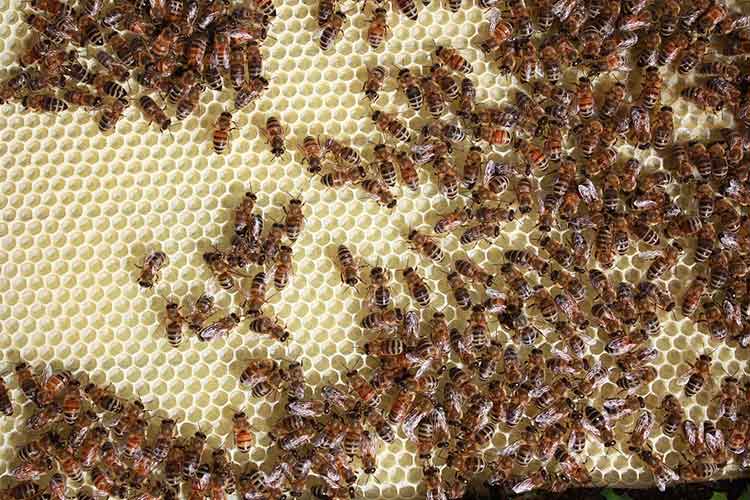
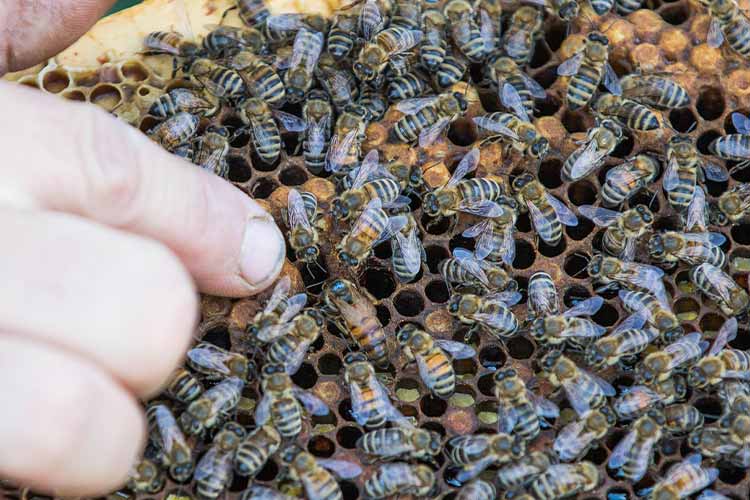
The honeycomb structure has a strong adsorption capacity. Once neomycin enters the honeycomb, it can adhere to the honeycomb spleen or the surface of propolis and gradually migrate to honey, forming long-term residues.
Excessive dosage and frequency
If beekeepers feed with an improper dosage, too high frequency or use it near the honey collection environment, it is more likely that neomycin will remain in the final honey product. It will affect the overall quality and safety of the honey.
Noncompliance with withdrawal period
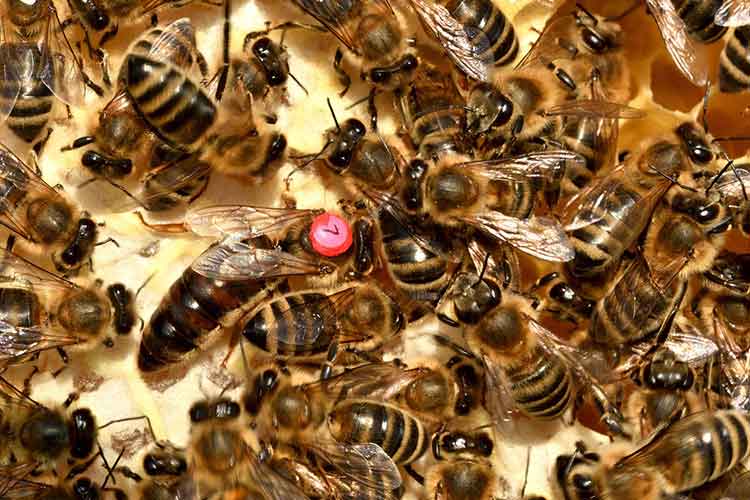
Failure to observe sufficient withdrawal period after medication can cause residues to remain in harvested honey. This not only increases the risk of exceeding legal residue limits but also compromises but also affects consumer trust in markets.
Accumulation in old combs
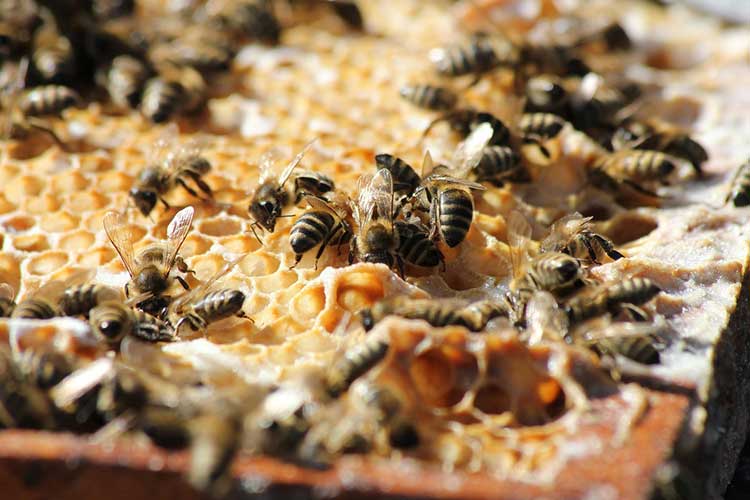
Residues from repeated medication can persist in old combs and transfer to new honey. Such accumulation makes it difficult to completely eliminate residues from combs. Consequently, old combs can act as a persistent source of contamination, requiring careful comb management and replacement to maintain honey safety.

Indirect contamination from environment
Neomycin can enter honey indirectly through environmental contamination. Even minimal exposure can result in detectable residues in the harvested honey, highlighting the importance of strict hygiene practices after antibiotic application.
Side Effects of Neomycin Residue in Honey
If neomycin residue occurs in honey, it may have multiple effects on human health. Even if the antibiotic content remaining in honey is not high, long-term consumption will still cause various degrees of harm, especially to organs like the liver and kidneys of the human body. Neomycin will interfere with the normal metabolism of liver cells, inhibit enzymes secretion process, damaging liver cells and causing symptoms such as nausea, vomiting, general fatigue, loss of appetite or diarrhea. At the same time, some people may experience allergic reactions such as rash, itching or respiratory discomfort. Also, it may promote the emergence of drug-resistant bacteria, posing a potential threat to health. In addition, neomycin belongs to the aminoglycoside type of antibiotics and has certain nephrotoxicity by itself. Long-term and frequent intake may have a negative impact on people with fragile kidney function. Therefore, it is particularly important to detect neomycin residue in honey in a timely manner.

What Is Neomycin Test Kit?
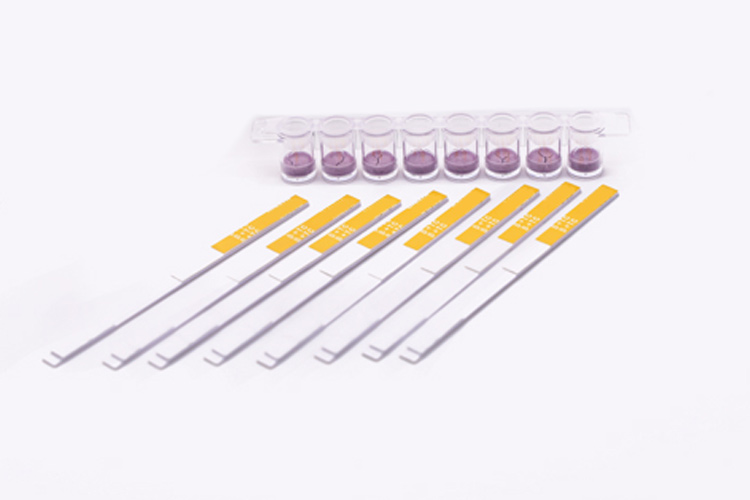
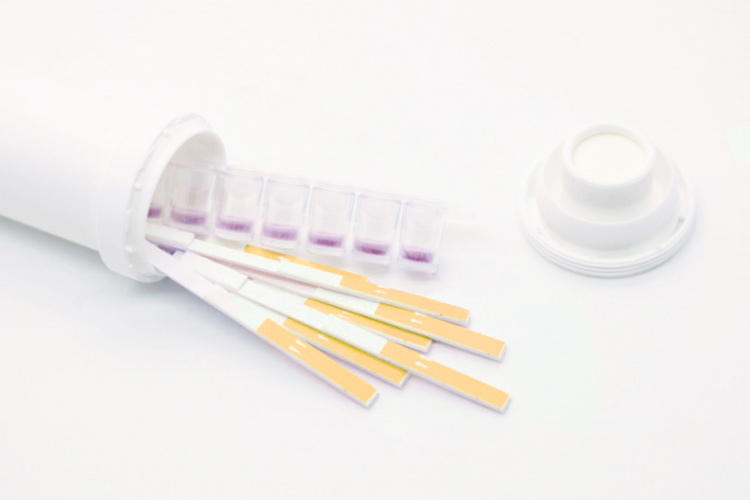
Neomycin test kit is a specialized tool used for rapidly detecting whether there is neomycin residue in honey. Neomycin, as a commonly used aminoglycoside antibiotic, is mainly used for the prevention and treatment of bacterial infections in animals. However, in cases of improper medication, non-compliance with the drug withdrawal period standards or inadequate aquaculture management, neomycin may remain in the final product, posing a risk to food safety. Neomycin testing kit employs colloidal gold immunochromatography technology, significantly simplifying the complex operations in professional laboratory testing, enabling users to complete rapid screening without a professional background. The entire detection process is usually completed within a few minutes and can qualitatively determine the residue of neomycin in the sample. It is one of the commonly used rapid detection tools by beekeepers, livestock farms, food processing plants, quality control departments and regulatory agencies. Neomycin residue test kit is designed in an independent sealed package, which is convenient to carry. It has low requirements for the operating environment and personnel skills. Just follow the instructions to collect samples, mix well, add drops and wait for the color to develop and you can obtain intuitive results. Our products are usually equipped with components such as micro-wells, sample processing solutions and test strips. They feature high sensitivity, strong stability and low usage threshold, which can effectively help users understand the risk situation of food raw materials and production processes and prevent substandard products from entering the market.
Working Principle of Neomycin Test Kit
Neomycin test kit is based on the specific binding reaction of antigens and antibodies. It generates bands of different colors through the migration and binding of colloidal gold labeled substances, determining whether the neomycin content in the sample exceeds the set threshold. In the absence of or at low concentrations of neomycin, colloidal gold antibodies will bind to the antigen on the T line, showing a red line. When the content of neomycin in the sample is relatively high, neomycin will preferentially bind to colloidal gold antibodies, preventing the antibodies from binding to the T line, causing the T line to become shallower or disappear. In addition, regardless of whether the sample contains neomycin or not, the C line will show color to indicate the validity of the test.
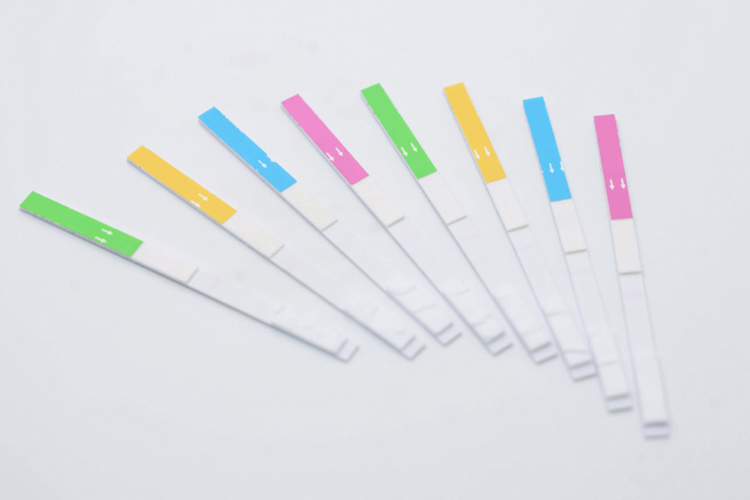
Features of Neomycin Test Kit
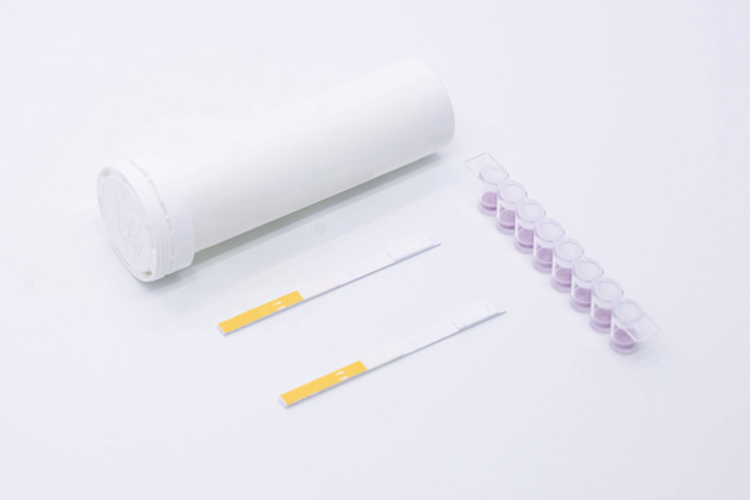
Rapid on-site detection method
High specificity for neomycin
Clear visual result within minutes
User-friendly operation
Stable and reliable consistency
Long shelf life at room temperature
How to Use Neomycin Test Kit?
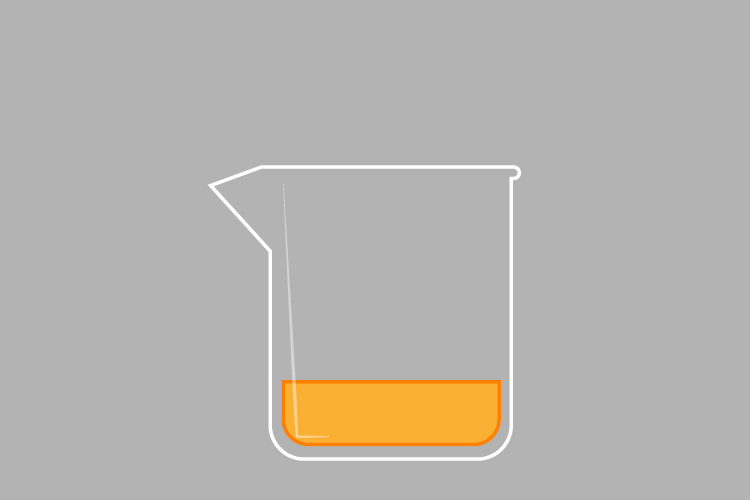
Sample preparation
Follow the instructions to dilute the honey sample and mix it evenly.
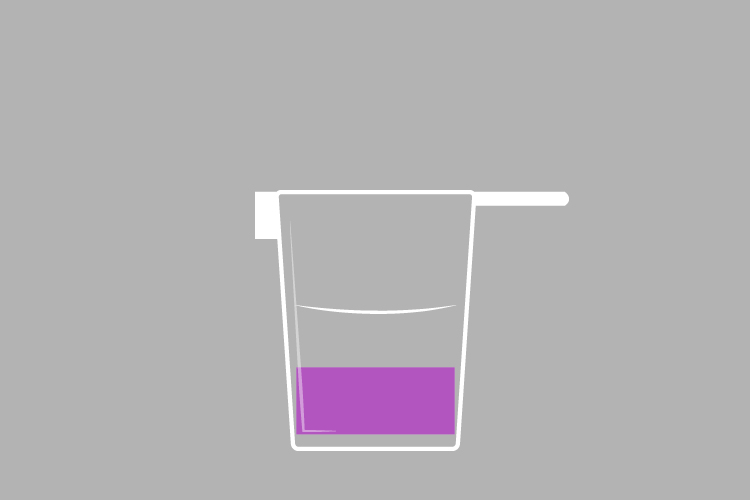
Prepare micro-well
Open the tube, take out the micro-well reagent and immediately cover the tube.
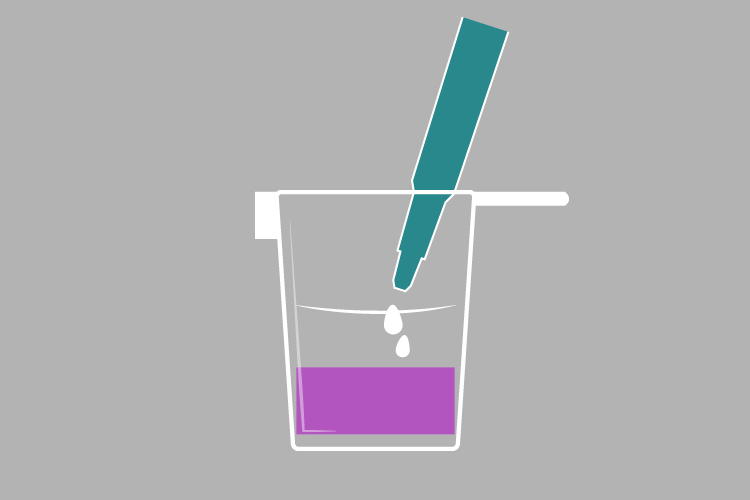
Add test solution
Add 200 μL test solution to the micro-well and pipette up and down 10 times to ensure mixing the sample thoroughly.
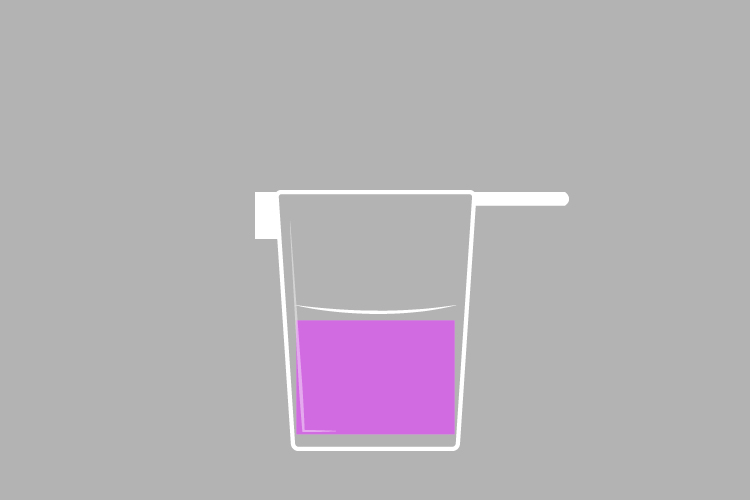
Incubate
Incubate the honey sample for 3 minutes.

Insert test strip
Take out the test strip, insert it into the micro-well. Also, ensure the sample pad is fully submerged.
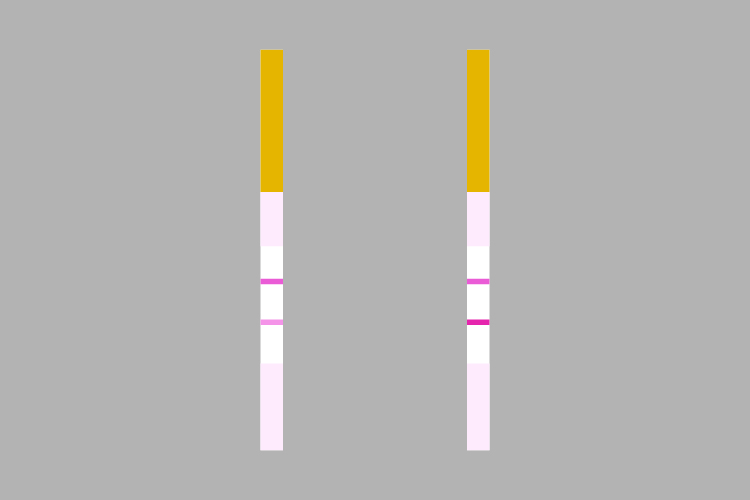
Read results
After 5 minutes, observe and record the results.
Negative: T line intensity is equal to or stronger than C line.
Positive: T line intensity is weaker than C line, or does not appear.
Invalid: C line does not appear.
Precaution of Using Neomycin Test Kit
Read the manual instruction before operating.
Put the test kit on the flat and clean lab desk.
Prepare the clean well-tray, pipette and pipette tips.
Do not touch the field of control or test line.
Do not mix the test strip and reagent from different tubes.
Do not use the test kit past the expiration date.
Keep the test kit kits in sealed and out of sunlight and moisture.
Inquiry for Neomycin Test Kit
We would like to hear from you. Please send us a message by filling out the form below and we will get back with you shortly.