
Streptomycin Test Kit
What Is Streptomycin?
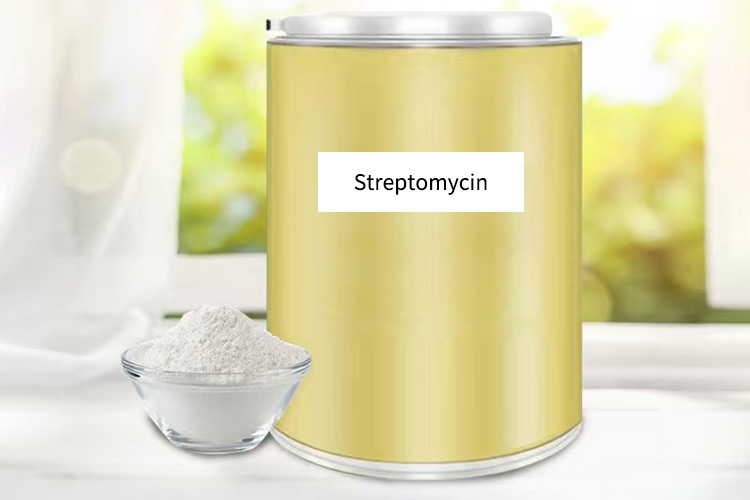
As an aminoglycoside antibiotic, streptomycin mechanism of action lies in interfering with the synthesis process of bacterial proteins. Streptomycin binds to the 30S subunit of bacterial ribosomes, interfering with the correct pairing of RNA and ribosomes. It leads to incorrect protein synthesis and simultaneously inhibits peptide chain extension, ultimately causing damage to the bacterial cell membrane. This effect is concentration-dependent. Higher drug concentrations can directly lead to an increase in the permeability of bacterial cell membranes, accelerating their death. The characteristics of streptomycin also include its high selectivity for bacterial protein synthesis. It can exert bactericidal effects on pathogenic bacteria without significantly interfering with the protein synthesis of the animal’s own cells. In addition, streptomycin is difficult to be rapidly degraded by enzymes in bacteria. It can maintain its efficacy for a relatively long time. However, precisely because of its strong antibacterial efficacy, improper use or insufficient withdrawal period may lead to antibiotic residues in animal tissues, triggering food safety and regulatory risks.
Therefore, streptomycin controls animal infections by blocking bacterial protein synthesis and inhibiting bacterial proliferation. Its mechanism of action is clear and its effect is significant. But it is necessary to strictly follow the medication norms and withdrawal periods to ensure animal health and food safety. This principle provides a theoretical basis for the subsequent detection and scientific management of streptomycin residues and also offers guidance for the safe streptomycin veterinary use.
Streptomycin Mechanism of Action
As an aminoglycoside antibiotic, streptomycin mechanism of action lies in interfering with the synthesis process of bacterial proteins. Streptomycin binds to the 30S subunit of bacterial ribosomes, interfering with the correct pairing of RNA and ribosomes. It leads to incorrect protein synthesis and simultaneously inhibits peptide chain extension, ultimately causing damage to the bacterial cell membrane. This effect is concentration-dependent. Higher drug concentrations can directly lead to an increase in the permeability of bacterial cell membranes, accelerating their death. The characteristics of streptomycin also include its high selectivity for bacterial protein synthesis. It can exert bactericidal effects on pathogenic bacteria without significantly interfering with the protein synthesis of the animal’s own cells. In addition, streptomycin is difficult to be rapidly degraded by enzymes in bacteria. It can maintain its efficacy for a relatively long time. However, precisely because of its strong antibacterial efficacy, improper use or insufficient withdrawal period may lead to antibiotic residues in animal tissues, triggering food safety and regulatory risks.

Therefore, streptomycin controls animal infections by blocking bacterial protein synthesis and inhibiting bacterial proliferation. Its mechanism of action is clear and its effect is significant. But it is necessary to strictly follow the medication norms and withdrawal periods to ensure animal health and food safety. This principle provides a theoretical basis for the subsequent detection and scientific management of streptomycin residues and also offers guidance for the safe streptomycin veterinary use.
Why Does Streptomycin Residue Occur in Honey?

Slow metabolism in bees
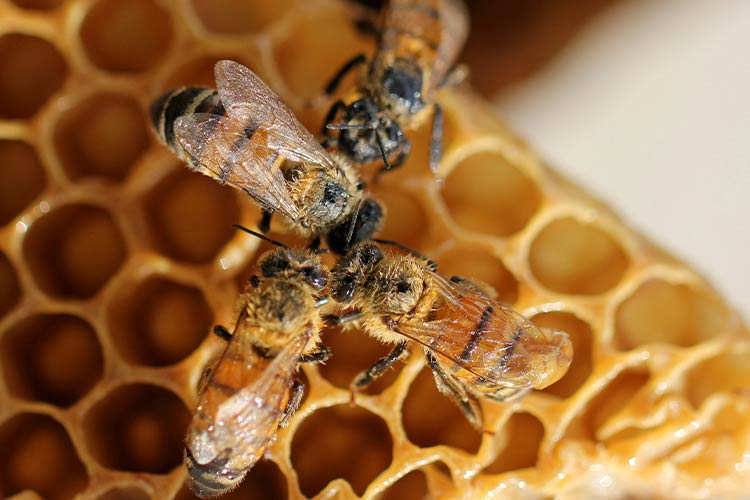
Streptomycin is a highly polar antibiotic that degrades slowly. When applied to bee colonies, part of the drug remains in adult bees and gradually spreads to honey and beeswax through foraging and food-sharing activities.
Medication transfer into honey
After bees consume streptomycin delivered via sprays, syrups,the antibiotic enters stored honey during nectar processing.Since honey ripening involves no heat treatment, streptomycin remains intact in the final product.

Medication close to harvest
Using streptomycin during nectar flow or shortly before honey collection allows the drug to directly enter commercial honey, even when the dosage is relatively low.
Excessive dosage and frequent treatment
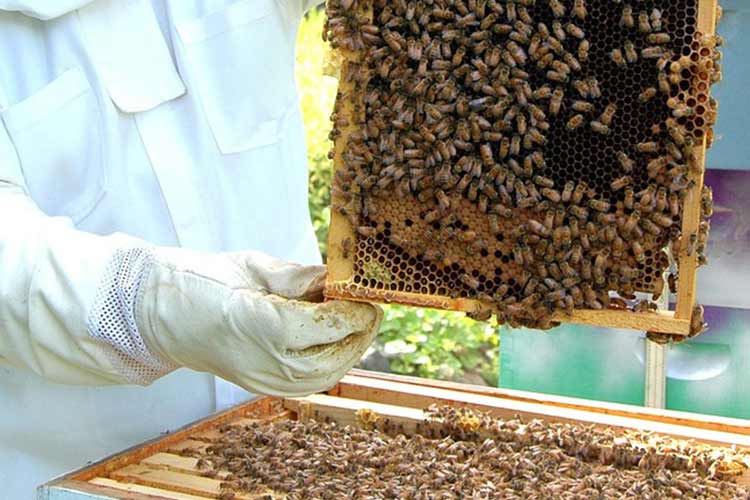
High doses or repeated applications cause cumulative buildup of streptomycin in bees and honey. It will exceed the capability of metabolism, increasing the likelihood of detectable residue.

Adsorption by honeycomb
Beeswax readily adsorbs antibiotics. Streptomycin can persist on comb surfaces and migrate into newly stored honey, causing long-term contamination. Even without further medication, it can continue to affect multiple batches of honey.

Failure to observe withdrawal period
Some beekeepers do not operate strictly according to the instructions. Harvesting honey before the required withdrawal period ends allows streptomycin to remain in the hive ecosystem and enter the final honey product.
Risks of Streptomycin Residue in Honey
As a commonly used antibiotic for bee colonies, streptomycin plays a significant role in the treatment of bacterial infectious diseases. However, due to its chemical properties and metabolic characteristics in the bees, streptomycin poses risks of residue in bee products.

Human health risks
Streptomycin residues in honey and other bee products may pose potential health risks to consumers. Long-term ingestion of low levels of streptomycin can disrupt the balance of gut microbiota, affecting digestive health. Additionally, individuals allergic to streptomycin or aminoglycoside antibiotics may experience allergic reactions such as rashes and itching. Residual streptomycin may also contribute to the spread of antibiotic-resistant bacteria, reducing the effectiveness of certain treatments in humans.

Bee ecological risks
Streptomycin residues can affect bee colony health and the hive ecosystem. Antibiotics that accumulate in combs and bees may disrupt the microbial balance within the colony, potentially weakening immune responses and digestive function. Frequent or excessive use can lead to adaptive changes, reducing natural resistance and potentially impacting the development of brood. Residues circulating through food exchange behaviors can persist over time, creating long-term effects on colony health.

Bee product quality risks
Residues of streptomycin can adversely affect the naturalness and overall quality of bee products. The presence of the antibiotic may alter the chemical composition and sensory properties of honey, including sweetness, aroma, and color, reducing its market value, affecting certification standards and product acceptance in both domestic and export markets. Maintaining low or non-detectable levels of streptomycin is essential to preserve the perceived purity and premium quality of bee products.

Market and economic risks
Streptomycin residues are closely linked to market access and economic outcomes for beekeepers and processing factories. Detection of residues above the allowable limits can lead to product recalls, rejection of shipment or restrictions on exports, causing direct financial losses. Frequent residue issues can also damage brand reputation and negatively impact sales over time. Proper medication management and residue testing are key strategies to mitigate these economic risks.
How to Test Streptomycin Residue in Honey?
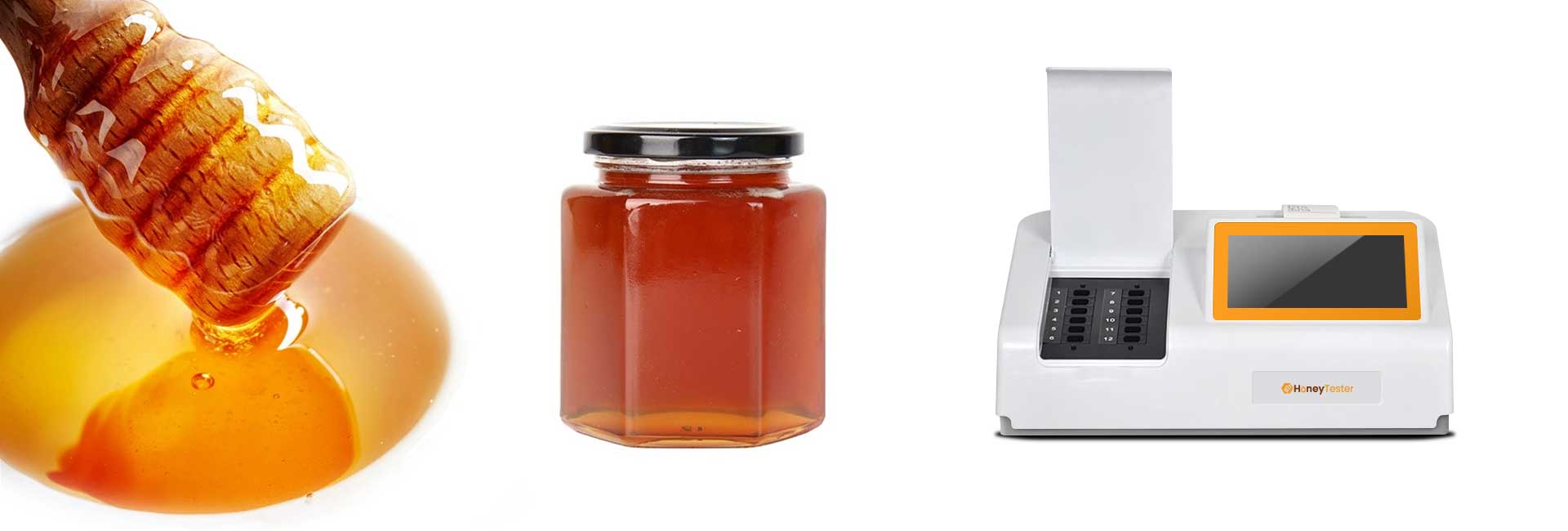
Streptomycin test kit is a professional tool specifically designed for the rapid and accurate detection of streptomycin residues in bee products. With the wide application of veterinary antibiotics in breeding and bee colony management, streptomycin residues have become an important factor affecting food safety and product quality. The design purpose of streptomycin testing kit is to help beekeepers, breeding enterprises and food inspection institutions identify whether there is streptomycin residues in products in the shortest time, safeguarding consumer health, ensuring product compliance and enhancing market competitiveness. This test kit adopts modern detection technology and provides intuitive results, which can meet the needs of producers and testing institutions of different scales. Whether in laboratory settings or on-site rapid detection scenarios, streptomycin test kit can provide reliable and repeatable test results, laying a solid foundation for the scientific use of streptomycin and food safety management. The working principle of streptomycin testing kit is usually based on antigen-antibody reactions. When streptomycin in the sample combines with the specific antibody in the test kit, a visible signal will be generated on the test strip, determining whether the sample contains streptomycin residue.
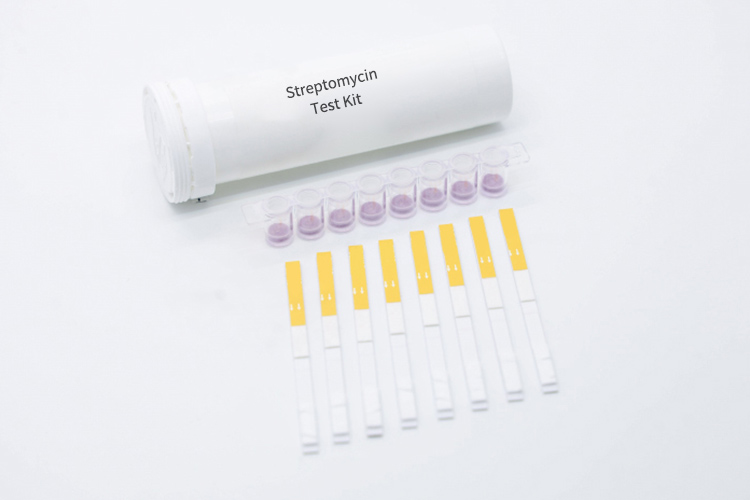
By using this test kit, users can not only promptly identify potential residue issues, prevent substandard products from entering the market, but also optimize medication management and reduce the risk of streptomycin accumulation in bee colonies and the breeding environment. Therefore, streptomycin test kit is an important tool for ensuring food safety, improving product quality, maintaining brand reputation and achieving scientific management. It has irreplaceable value for modern beekeeping.
Why Do We Need to Test Streptomycin Residue?

Protect human health
Maintain bee product quality
Increase market compliance
Optimize medication management
Support sustainable production
Protect brand reputation
Characteristics of Streptomycin Test Kit
On-site screening: Provide quick results without requiring complex laboratory equipment, suitable for both field and lab use.
High sensitivity: Accurately detect trace amounts of streptomycin, ensuring even low-level residues are identified.
High specificity: Selectively detect streptomycin without other interference from honey, ensuring the test results are accurate.
Easy and user-friendly operation: No specialized skills are needed, making it accessible for beekeepers, farmers and rapid testing facilities.
Clear results: Allow fast and straightforward determination of streptomycin residues with visually indicated results.

Application Scenarios of Streptomycin Test Kit

Beekeeping Farm&Production Base

Honey Processing Enterprise

Honey Safety Regulatory Agency

Export Compliance Testing
Inquiry for Streptomycin Test Kit
We would like to hear from you. Please send us a message by filling out the form below and we will get back with you shortly.