
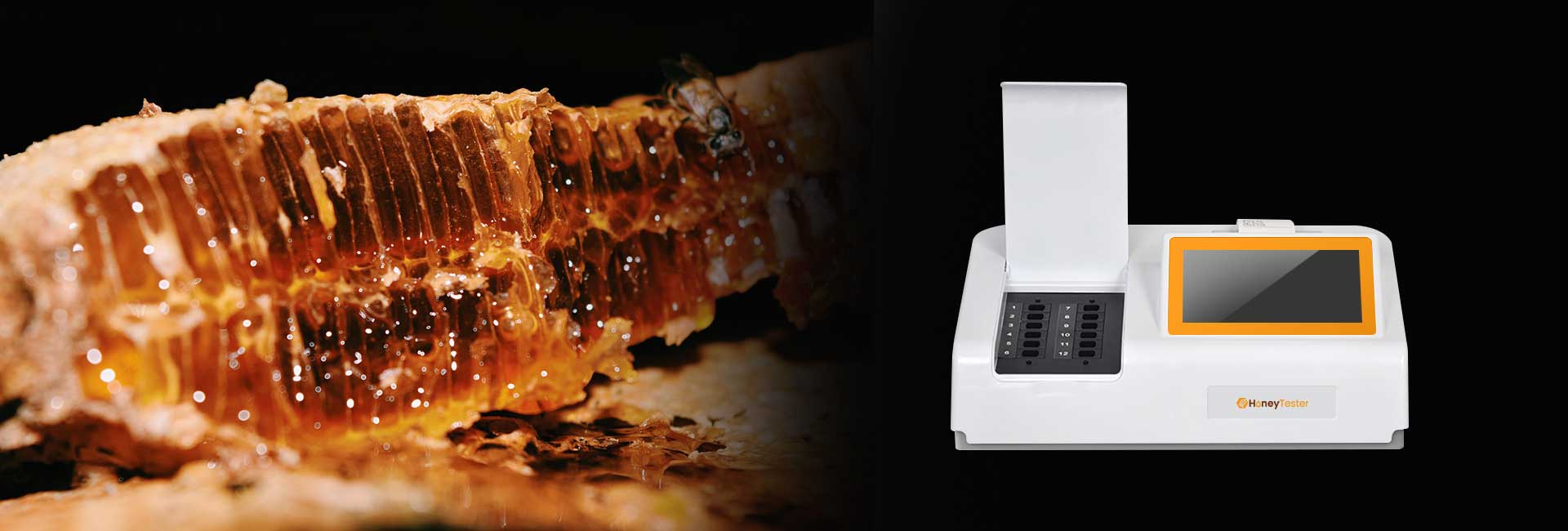
Tilmicosin Test Kit
Introduction to Tilmicosin
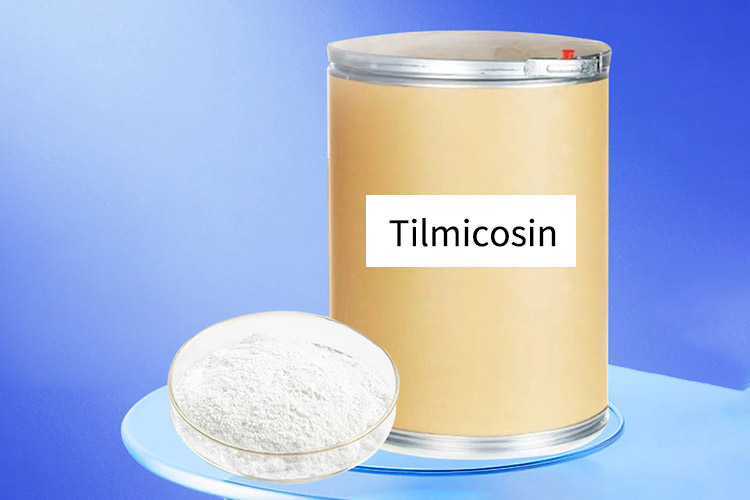
Tilmicosin is a macrolide antibiotic and belongs to semi-synthetic compound. Its main features are strong lipid solubility and good tissue distribution ability. It is absorbed quickly in animals and has a long-lasting effect. It can maintain a certain concentration in multiple organs and tissues, having a relatively long-lasting medicinal effect. Tilmicosin is mainly used in the veterinary field and is a typical prescription antibiotic for veterinary use. For example, tilmicosin offers the prevention and treatment of infectious diseases caused by various gram-positive bacteria and gram-negative bacteria, especially respiratory system related diseases. The antibacterial mechanism of tilmicosin mainly lies in interfering with the process of bacterial protein synthesis. It can block the extension of peptide chains, inhibiting the reproduction and growth of bacteria. Macrolide antibiotics usually have antibacterial effects. But at higher concentrations, tilmicosin may also exhibit certain bactericidal effects. Compared with other similar drugs, tilmicosin has better tissue affinity and a longer half-life due to structural modification, which is conducive to maintaining a stable concentration in the target tissue and improving the intervention efficiency.
Overall, tilmicosin is a veterinary antibiotic with clear uses and a well-defined mechanism of action. It has high practical value in the prevention and control of animal diseases, which plays a significant role in the animal medical system. With the main objective of assisting in maintaining the health status of animals, it enhances the efficiency of feeding and management and reduces the impact of infectious diseases on the animal production system.
Functions of Tilmicosin in Apiculture
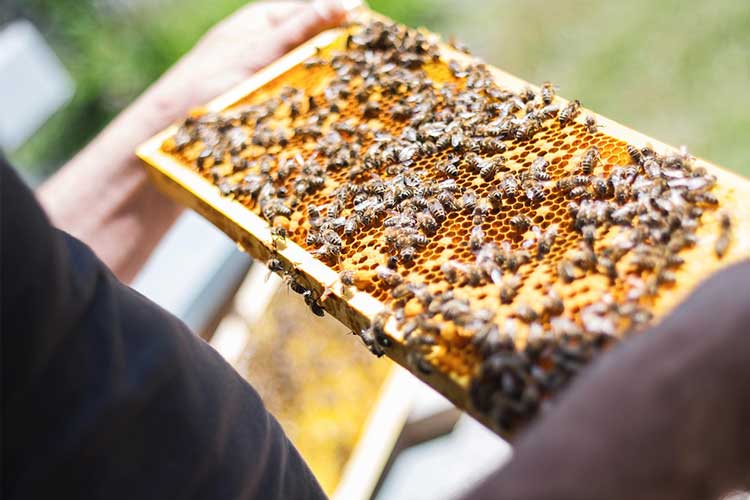
In the field of apiculture breeding and management, tilmicosin is often regarded as an auxiliary drug that can be used to maintain the health status of bee colonies. When bee colonies are confronted with changes in the external environment, seasonal transitions or fluctuations in bee source conditions, beekeepers need to maintain the stability and vitality of the colonies. A bee colony is a highly socialized organism that maintains its physiological state through group collaboration. If a few individuals within the colony have health problems, it may gradually affect the overall working efficiency, breeding status, honey production rhythm and colony cohesion of the entire hive. Therefore, maintaining the health of bee colonies is an important foundational task in honey production. In addition, tilmicosin has certain specificity in bee colony management. It can assist in improving the internal micro-ecological environment of the hive, help the bee colony maintain a good physical condition, supporting the bees’ collection, breeding and honeycomb maintenance activities. In the actual operation of bee farms, beekeepers often flexibly adjust the management measures of bee colonies by taking into account factors such as the growth cycle of the bee colony, seasonal climate changes, nectar source conditions and hive density. The core function of tilmicosin lies in helping to maintain the balance of the internal flora of the bee colony and enhancing the ability to resist adverse environments and pathogen challenges. In the bee farm management system, it mostly aims to help the bee colony maintain stable physiological vitality, better carrying out a series of life activities of the bee colony and providing a basic guarantee for the output of high-quality honey.
The Reasons of Tilmicosin Residue in Honey
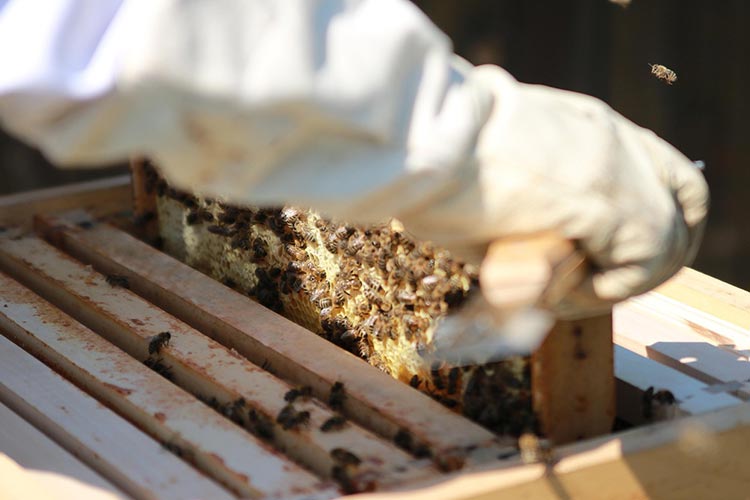
Concentrated medication during disease outbreak
When bee colonies are affected by environmental stress or seasonal changes, their resistance may decline. If bacterial problems occur at the same time, some beekeepers may concentrate on using tilmicosin for group treatment, which is more likely to cause residues during the intensive medication stage.
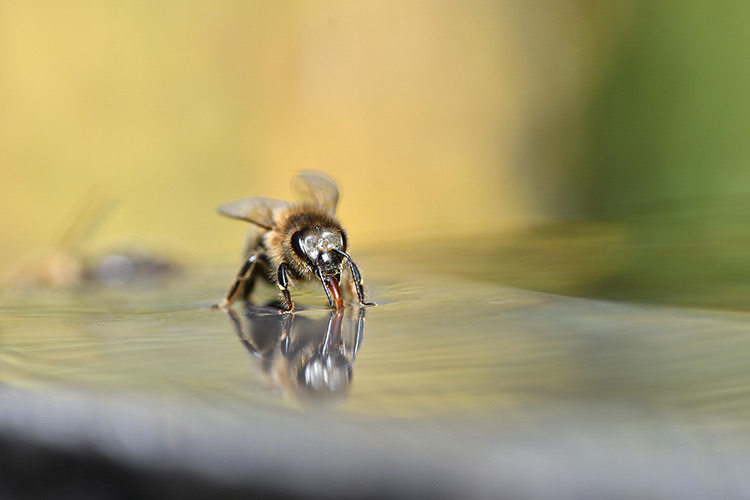
Feeding behavior of bee colonies
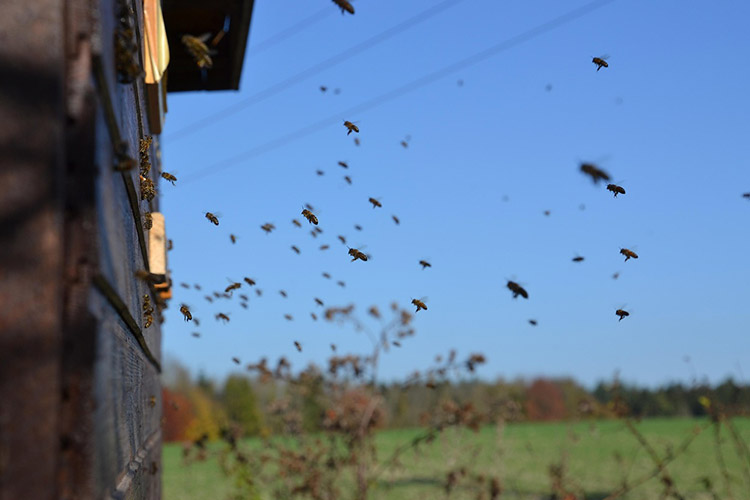
If tilmicosin is added to syrup, feeding liquid or other supplementary feed, worker bees will bring its components into the hive during the process of collection, secretion and transformation. As the honey is stored, evaporated and sealed, the residue may be retained.
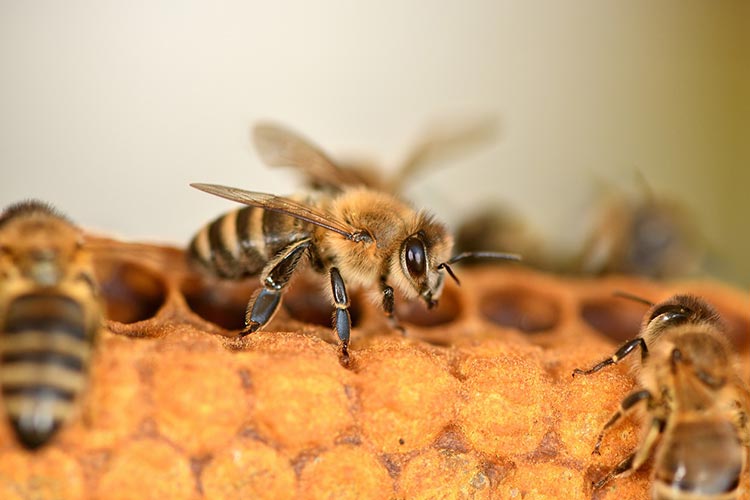
Certain tissue retention of drug
Tilmicosin has the characteristics of wide tissue distribution and long-lasting effect. If bees come into contact with this drug within a certain period of time, it may persist in the nest environment and gradually accumulate in the honey raw materials.
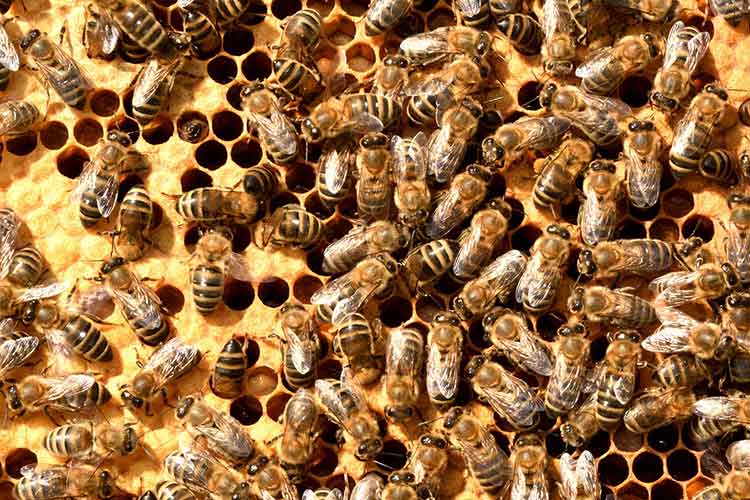
Internal circulation and metabolism
The formation of honey depends on the rumination and enzymatic hydrolysis and is a product of the internal metabolic process of the bee colony. If tilmicosin is present in the body fluids or internal environment of the bee colony, it may be transferred to the final product during the procedure of being processed into honey.
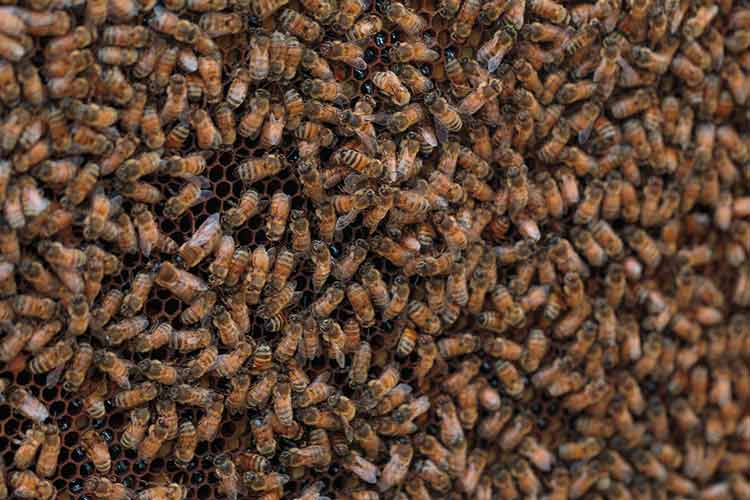
High density of bee colonies
In large-scale or intensive bee farms, there are many beehives and the disease spreads rapidly. Beekeepers may use drugs in advance for protective treatment. If the withdrawal period is not strictly followed subsequently, the residue may enter the honey.
Lack of standardized operation guidance
Some small-scale or family-run bee farms rely on experience rather than a uniform standard in terms of medication methods and intervals between drug withdrawals. This management is more likely to lead to improper honey harvesting times after medication.
Potential Health Impacts of Tilmicosin Residue in Honey

Tilmicosin plays a certain role in disease prevention and control. However, if it is used improperly or the withdrawal period is not strictly followed, it may lead to the residue of tilmicosin entering honey. Consuming honey containing antibiotic residues may pose potential risks to human health.
Firstly, long-term intake of food containing tilmicosin residues may promote the development of bacterial resistance. When the human body is frequently exposed to low-dose antibiotics, the bacteria within it will gradually adapt and develop drug resistance, weakening the efficiency of commonly used antibiotics and making future infection treatment more difficult. Secondly, some people are more sensitive to macrolide antibiotics or have allergic constitutions. Even a small amount of tilmicosin residues may cause an allergic reaction. In addition, antibiotic residues may also affect the balance of the human intestinal microbiota. The intestinal flora plays a significant role in digestion and absorption, immune regulation and metabolic functions. Long-term intake of trace amounts of antibiotic residues can affect the balance between beneficial and harmful bacteria in the intestines, having an adverse impact on overall health. Therefore, in order to reduce health risks, during the beekeeping process, beekeepers should adhere to the strict compliance with standardized management, avoid the abuse or preventive use of antibiotics and observe the withdrawal period. At the same time, consumers should choose honey products from reliable sources that have undergone safety tests to ensure their own health and safety.
How to Test Tilmicosin Residue in Honey?
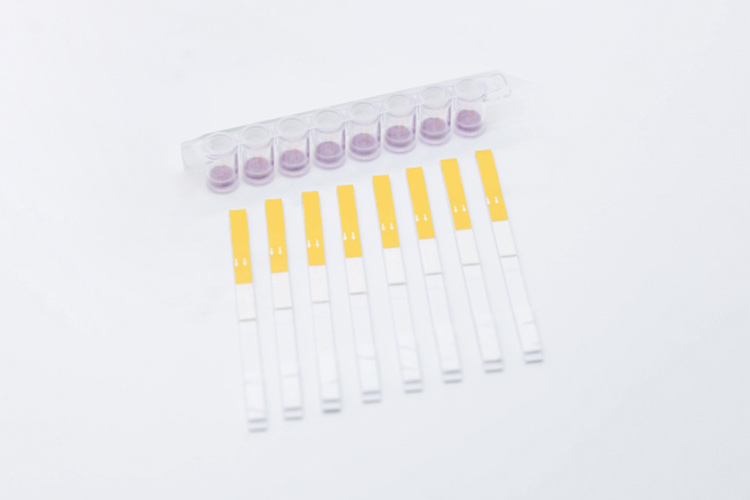
Tilmicosin test kit is an immunochromatographic detection tool specially designed for the rapid screening of tilmicosin residues in honey. This test kit is based on specific antibody recognition technology and achieves visual result judgment through colloidal gold coloration. It does not require complex device or a professional laboratory environment to complete the detection. It is suitable for various scenarios such as bee farms, bee product processing factories, quality inspection institutions and export inspection. Tilmicosin testing kit has high sensitivity. The minimum detectable residual amount of tilmicosin reaches 10 ppb, which can effectively identify trace amounts of tilmicosin residues in honey, avoiding the problem of antibiotic over-limit caused by improper use or external contact. Rapid screening can help beekeepers promptly understand the quality status of honey and reduce the risk of batch contamination. In addition, tilmicosin residue test kit can not only be used for quality control before and after production, but also for random spot checks during the storage, transportation and sales of honey, which is conducive to establishing a complete honey quality and safety management system. In export trade, this test kit can also serve as a self-inspection tool for enterprises to meet the honey residue limit standards of different regions, enhancing the international compliance and market competitiveness of the product.
Tilmicosin test kit is a rapid, accurate and economical method for monitoring antibiotic residues in honey. It can help beekeepers and bee product manufacturing factories effectively prevent safety risks and economic losses caused by excessive tilmicosin, providing a reliable guarantee for the stability of honey quality.
Working Principle of Tilmicosin Test Kit
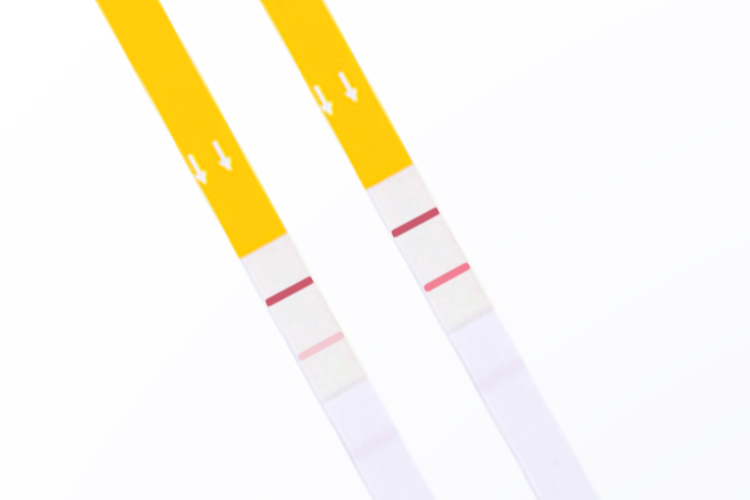
Tilmicosin test kit adopts the colloidal gold immunochromatography as the detection principle. This method utilizes the specific binding reaction between antibodies and antigens to rapidly determine tilmicosin residue through color changes. The inside of the tilmicosin testing kit is pre-coated with specific antibodies capable of recognizing tilmicosin molecules. When the honey sample is simply processed and then dropped onto the sample pad of test kit, the liquid will flow forward along the chromatographic membrane of the test kit. If the tilmicosin content in the sample is low or absent, the labeled antibody will bind to the fixed antigen on the test kit, forming a visible red band in the test line (T line). Conversely, if the tilmicosin content in the sample is relatively high, the tilmicosin molecules will preferentially bind to the labeled antibody, preventing the labeled antibody from binding to the test line, causing the color to weaken or disappear. Regardless of whether tilmicosin is present in the sample or not, the control line (C line) at the end of the test kit should develop a normal color to verify the validity and confirm the correctness of the detection operation.
Negative: T line is the same to or has greater intensity than C line.
Positive: T line is weaker than the C line or completely absent.
Invalid: C line does not appear.
Applications of Tilmicosin Test Kit
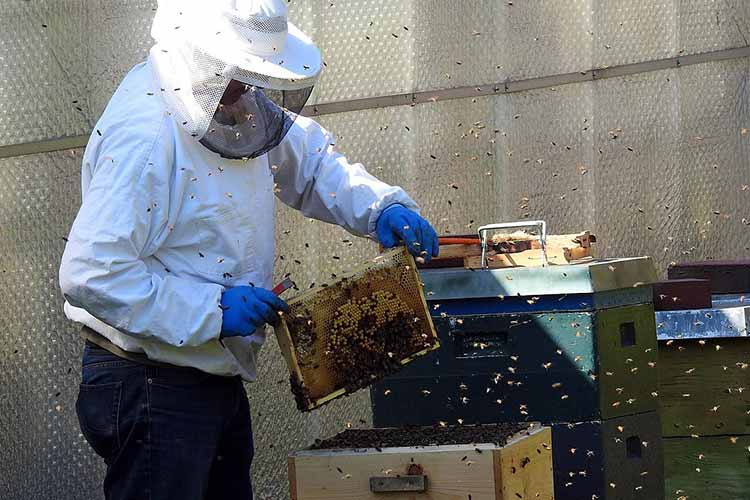
Honey Farm Routine Monitoring

Honey Processing Factory

Honey Market&Supply Chain Inspection

Honey Pre-Export Quality Inspection
How to Use Tilmicosin Test Kit?
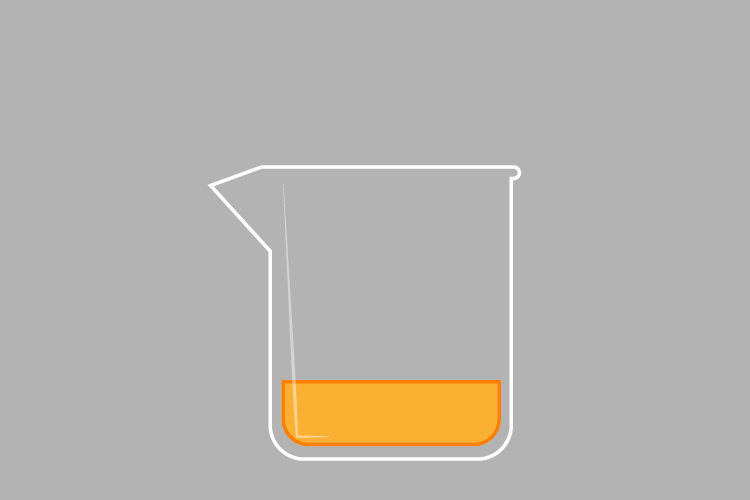
Sample preparation
According to the instructions, dilute the honey sample appropriately and mix it evenly.
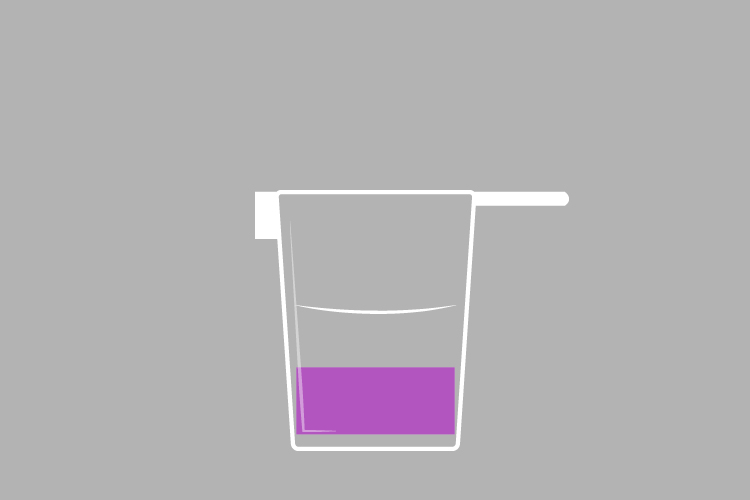
Take micro-well
Open the tube, take out a micro-well and immediately cover the tube.
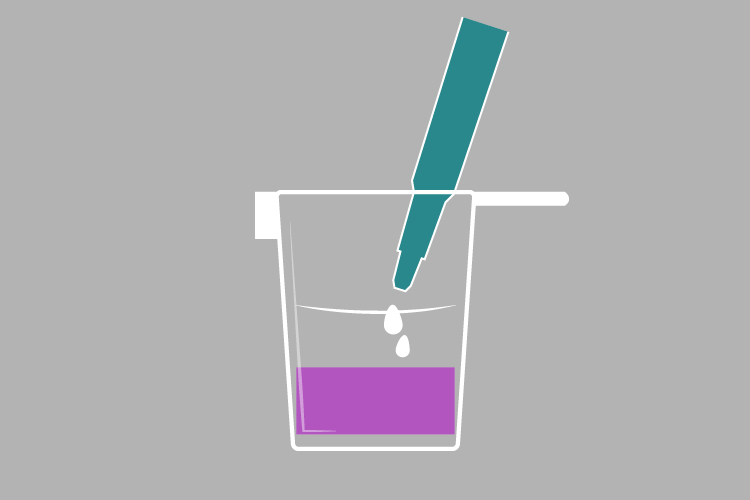
Sample addition and mixing
Add 200μL of the test sample to the micro-well and pipette up and down 10 times to ensure mixing the sample thoroughly.
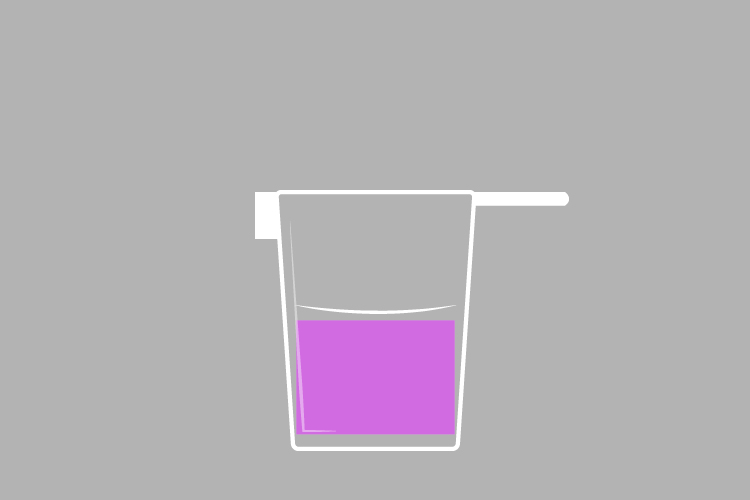
Incubation
Incubate the test sample for 3 minutes.

Insert the test strip
Insert the test strip into the micro-well and fully immerse the sample pad in the liquid.
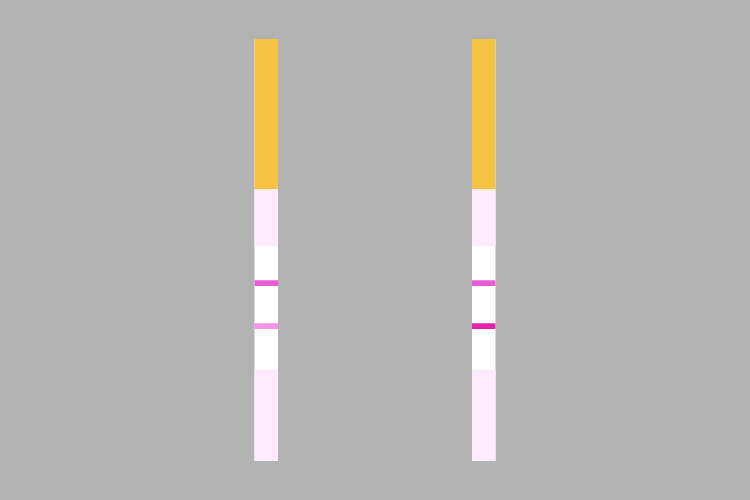
Interpret the result
Read the test result in 5 minutes.
Inquiry for Tilmicosin Test Kit
We would like to hear from you. Please send us a message by filling out the form below and we will get back with you shortly.